Compare nearby and distant rooms
Check the temperature and airflow in more than one occupied room while the system is cooling. Record how the air feels at each supply grille and which doors are usually open or closed. A west-facing room can warm differently on a sunny afternoon, so compare the same rooms in the morning and later in the day if the problem is intermittent. Point out a recent paint job, furniture move, or room conversion if it changed access to a grille.
Compare the affected spots to a room that feels normal. Describe whether the difference is strongest close to a closed door, toward the end of a long hall, or throughout the whole property. The location pattern gives a technician an easier starting point than a general report of low airflow.
Note what changed before the symptom appeared
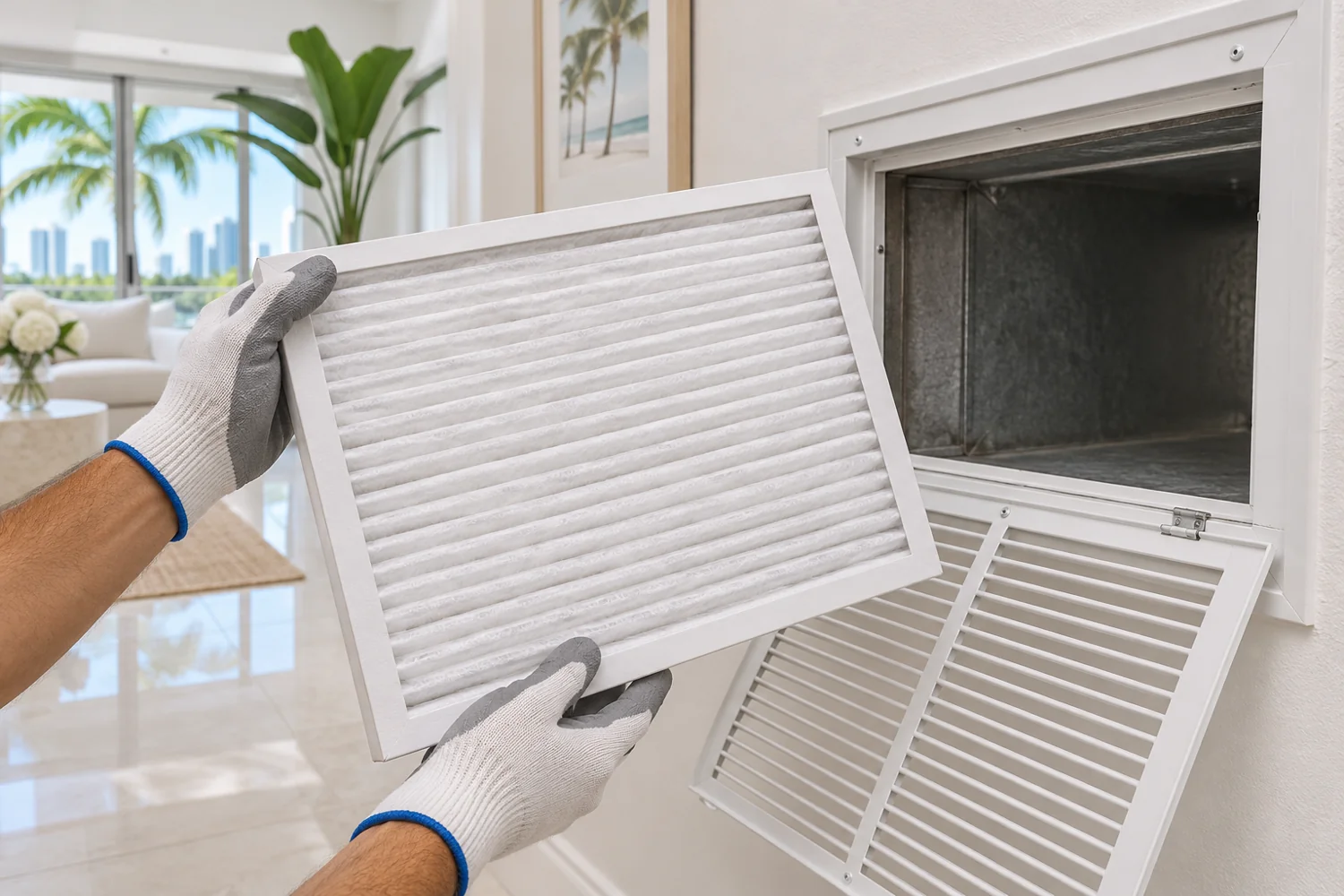
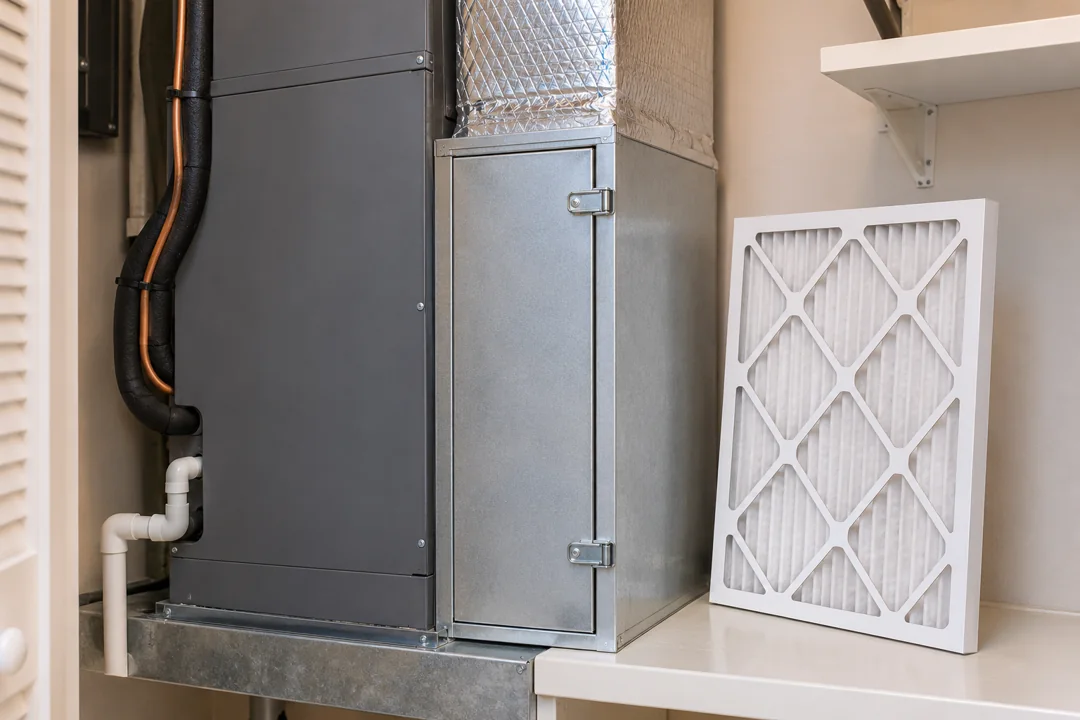
A filter that is very dirty or installed incorrectly can restrict airflow. Follow the equipment instructions for accessible filter changes and mention the size and type if you recently replaced one. ENERGY STAR explains how airflow and distribution affect comfort and moisture. A technician may also check equipment controls or ducts when the symptoms support that direction.
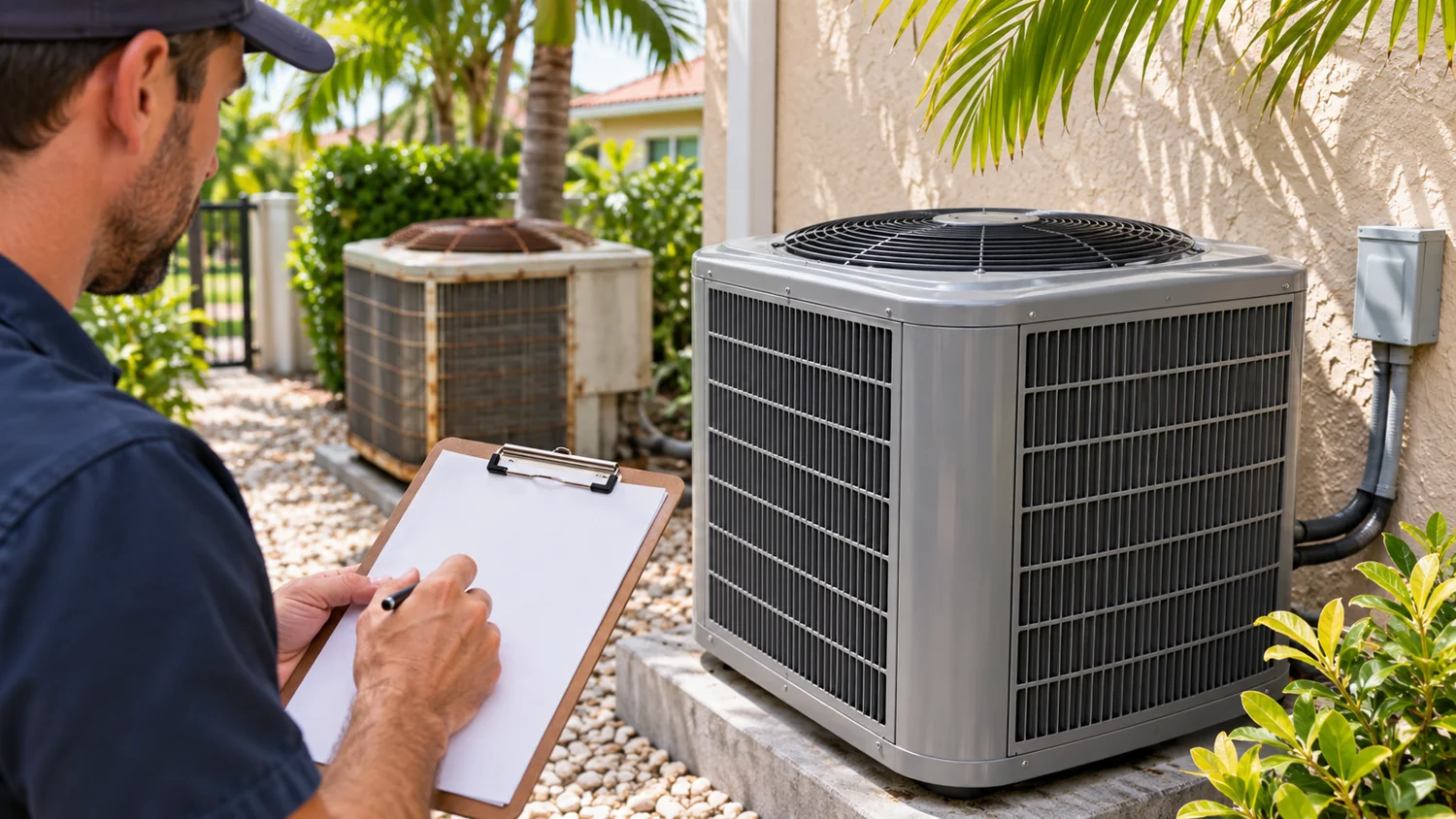
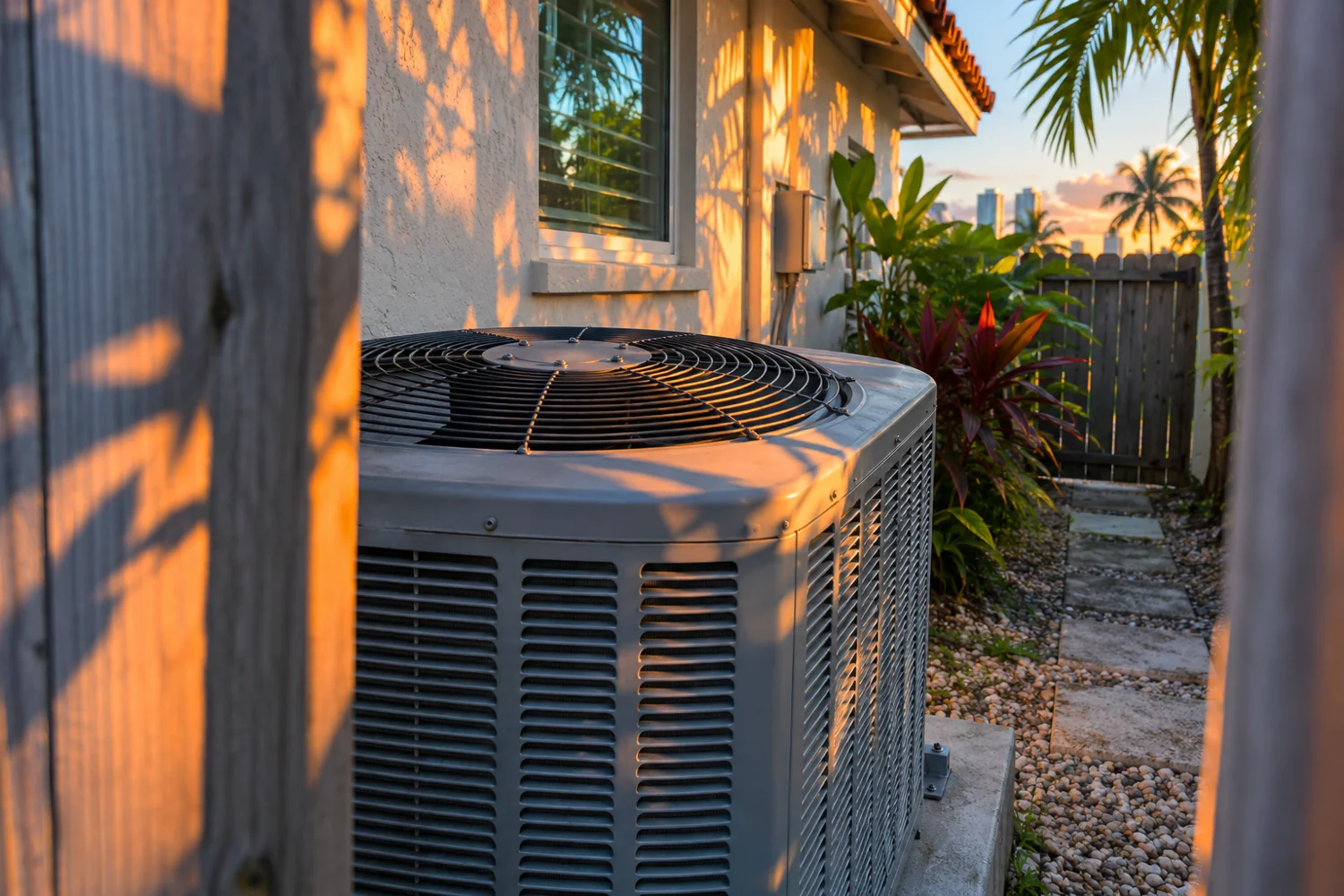
If the equipment starts and stops often, give the length of several cycles and whether the room reaches the set temperature. A timing note helps distinguish a system that shuts off while the room is still warm from one that cycles after reaching the setting. See the short cycling guide for a practical way to record the pattern.
Agree on the assessment and access ahead of time
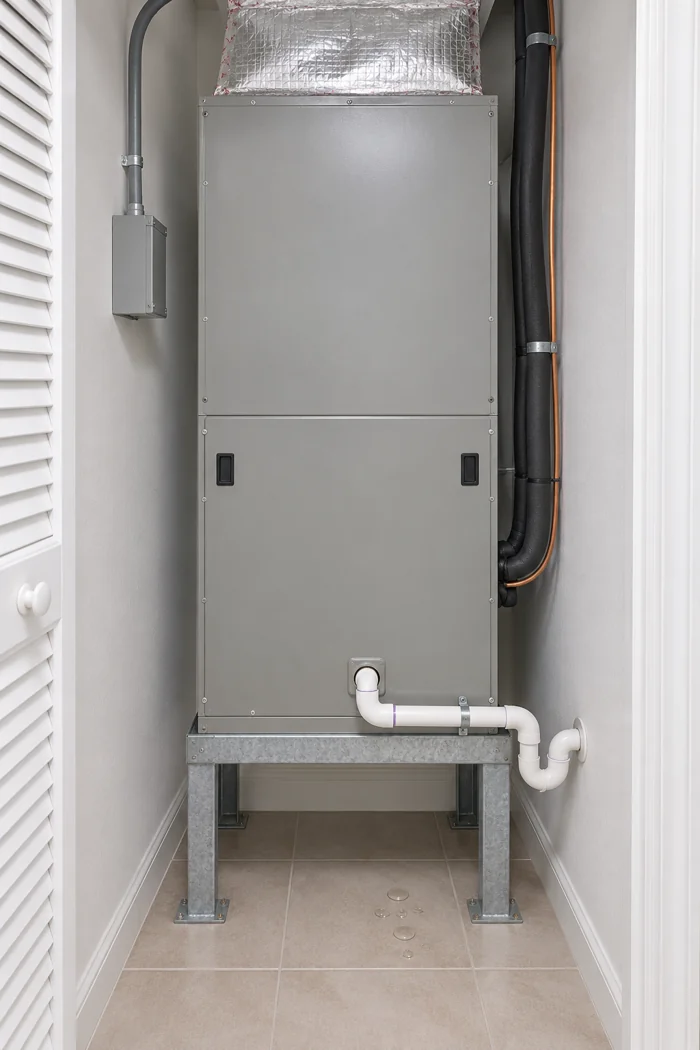
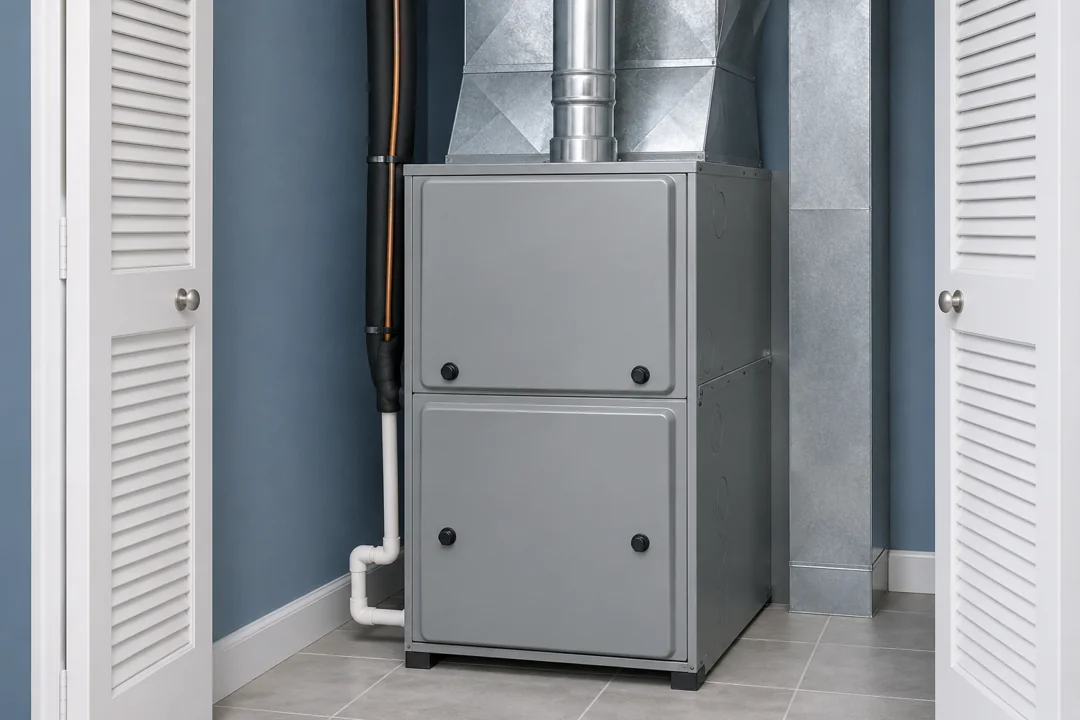
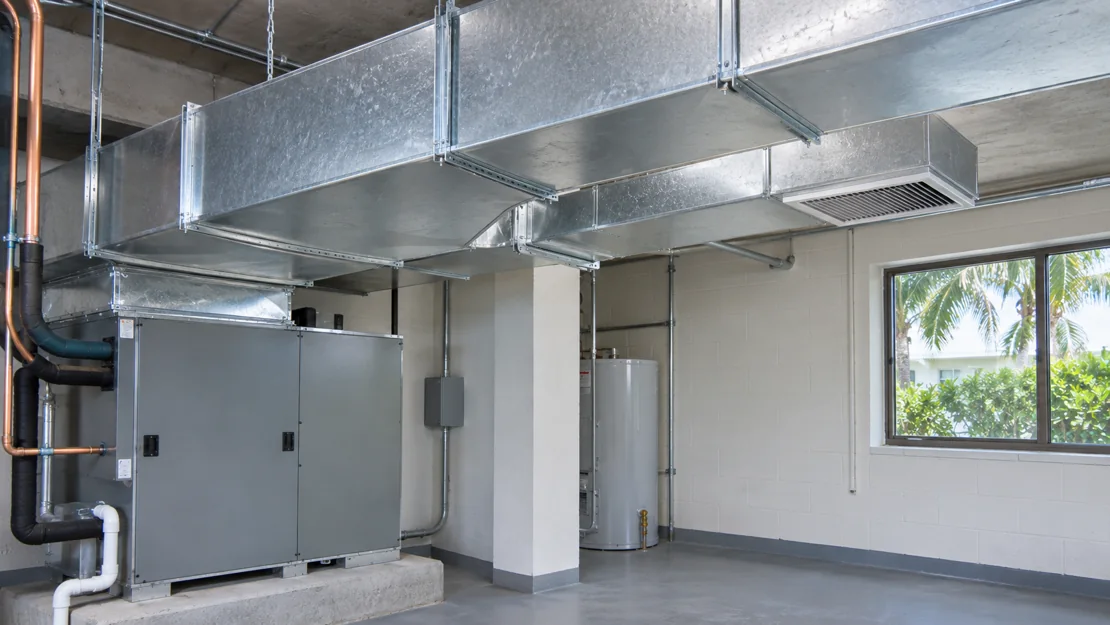
A condo or shop may have more than one thermostat or indoor unit. Label which area changed and identify who can provide access to equipment, a ceiling hatch, or a roof location. Ask the team which areas have to be clear before someone comes out. If the building shares ducts or mechanical service, mention that before the visit so the correct building contact can be involved.
Ask what measurements or observations support the repair recommendation. If several fixes are proposed, request a sequence that explains which item addresses the reported symptom first. You can compare the results afterward using the same rooms, settings, and approximate time of day.
Log a comparison across occupied rooms
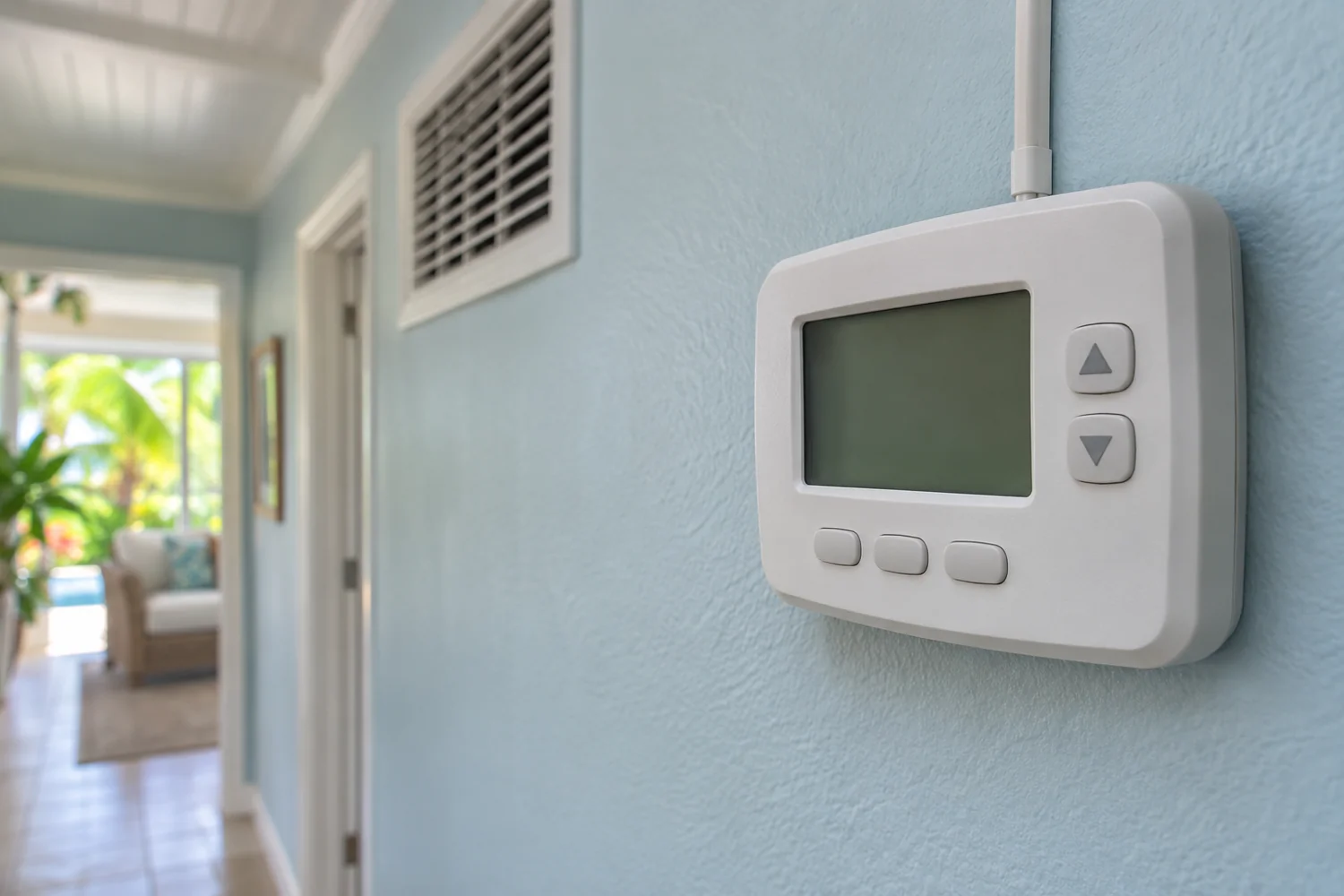
Choose two or three rooms and write down their thermostat and door conditions during the same cooling cycle. A quick phone note can include which grille feels weak, what time it happens and how comfortably the room usually cools. Keep the settings consistent during the comparison and mention whether the difference changes after furniture moves or doors close.
If the contractor recommends a check, ask how the affected rooms will be included and how you can compare the outcome afterward. Record the date and what changed, especially if the symptoms show up only during the warmest part of the day.
 Why Does My AC Keep Turning On and Off?