Start with the location of the water
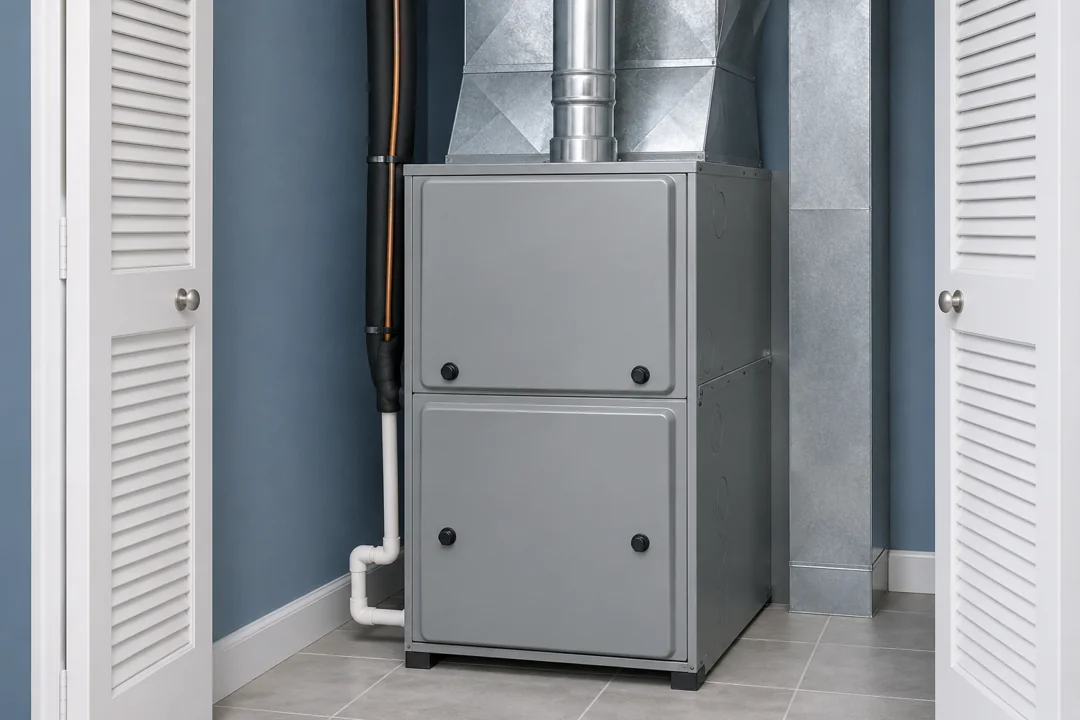
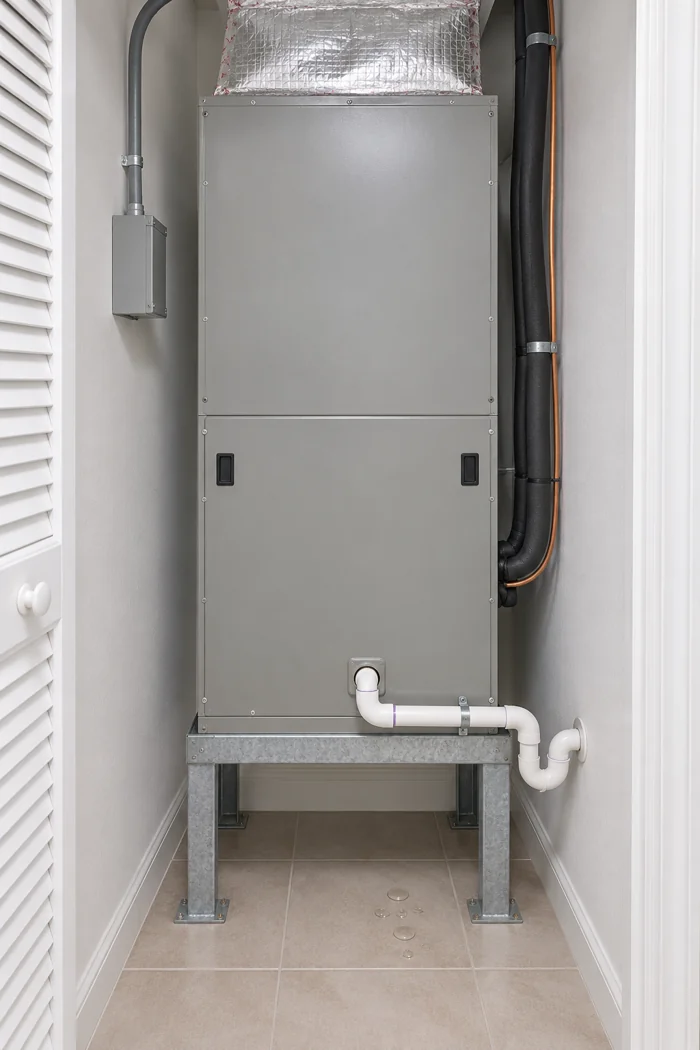
Condensation normally forms when warm, moist air passes over the cold indoor coil. An installed system directs that water to a drain or related collection equipment. Tell the team whether you found water directly below the unit, outside a closet, near a ceiling access point, or under a supply grille. The location of the puddle helps describe the problem even when the source is harder to see.
If you can take a picture from a dry position, include a wide shot showing the unit and a closer shot of the affected floor or ceiling. Note any change in the thermostat display or whether the system stopped by itself. Keep children and pets clear of slippery surfaces and report water stains to your property manager when applicable.
What separates a drainage problem from an airflow issue
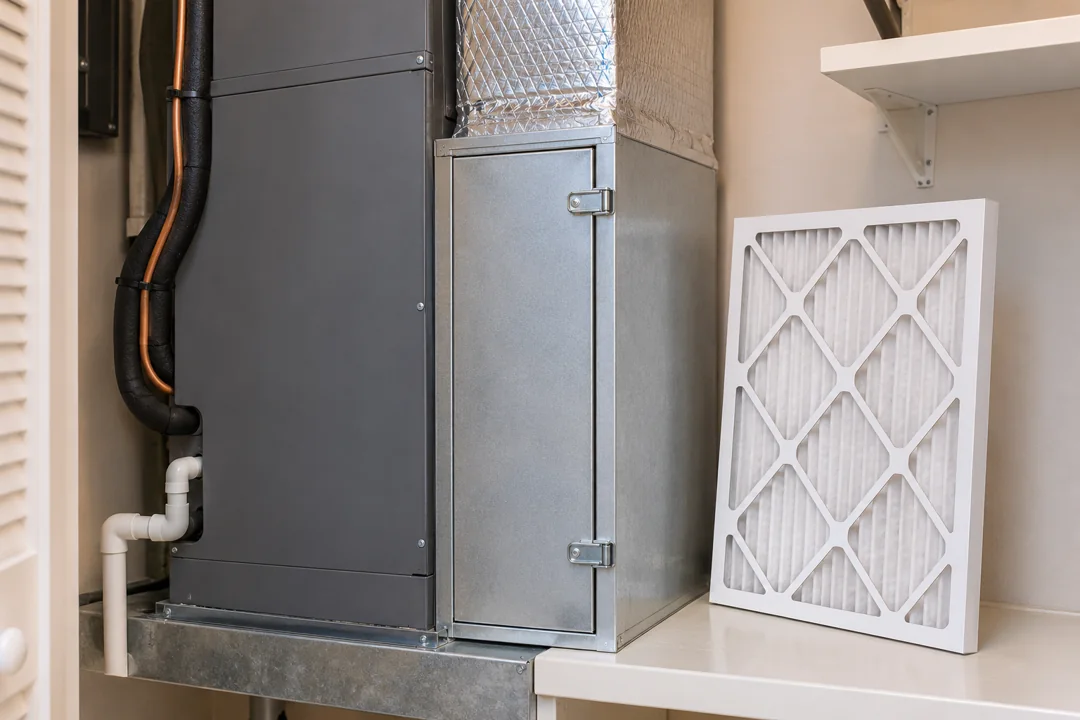
A drainage assessment may include the drain path, pan, fittings, or pump where installed. Leaks can also follow coil icing or condensation on a surface outside the normal drain path. Mention whether airflow had dropped before the water appeared and whether you saw frost on any visible part. The technician can use the system layout and those observations to decide where inspection should start.
The ENERGY STAR maintenance checklist includes checking the condensate drain. If an earlier drain service helped briefly, give the date and when the water returned. A repeated leak warrants a clear explanation of what was found, what work is proposed, and what checks support that conclusion.
Prepare for a Miami apartment or office visit
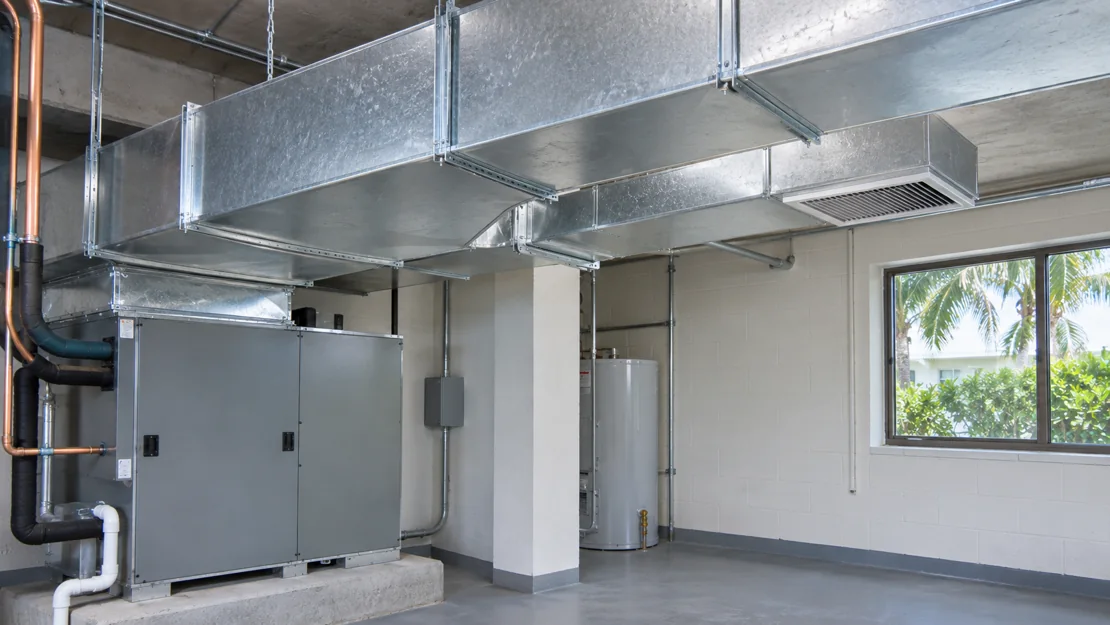
A closet air handler may have a drain route that crosses shared building space. Ask the building contact where the equipment is located and who controls access. If there is water in a shared hallway or a unit below, tell the property manager where it appeared. When you call, give the floor, closest entry, and whether the unit can be accessed without moving furniture or stored items.
Ask who handles any building restoration if materials were affected. Request separate written descriptions for AC work and other property work so you can give each party the right information. The air handler water guide has a short observation checklist to keep with your photos.
Keep the original moisture report with follow-up notes
If the water is cleaned up before the visit, share the original photo and the latest condition from the same dry position. Include when the water stopped and whether the AC shut down at around the same time. When water appears in another unit or common area, let the property manager record and coordinate that observation separately.
After the equipment is assessed, ask which condition the proposed work covers and which signs should prompt a follow-up. Keep earlier drain repair paperwork and report the first time the area became wet again. A continuous timeline is especially useful with leaks that return after long runs.