Start with an observation you can describe
Make a note of the rooms affected and whether you see material around a return grille, a supply register, or somewhere else. Photograph only areas you can safely reach. Find out whether the timing overlaps with a construction project, a leak, or a change in equipment. A room-wide dust concern needs a broader discussion than a specific obstruction observed near one accessible grille.
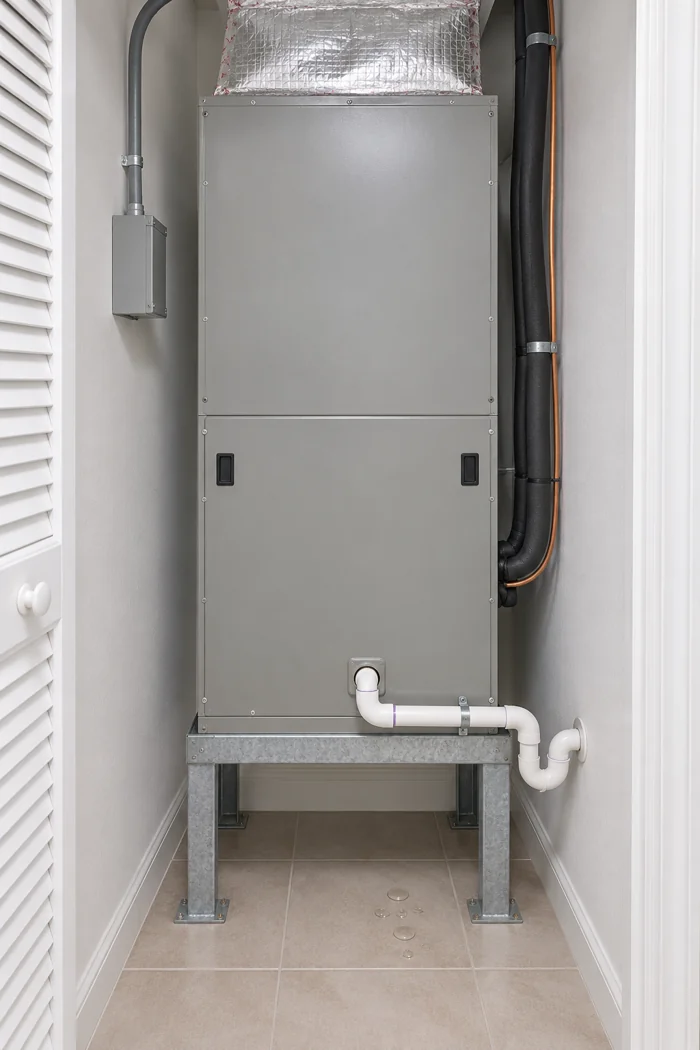
Explain whether the cooling or airflow changed too. Weak air at several vents may need its own assessment. If moisture is present near the equipment, tell the building contact or technician where it appeared and when the AC was running. Bring any prior report that identifies a duct condition or explains which areas were assessed.
Know what a cleaning scope should explain
The EPA duct cleaning guide recommends considering cleaning only under specific conditions and emphasizes identifying the actual problem. Ask how the technician would check for a reason to clean and whether the scope addresses each affected part of the distribution system. Request an explanation of the proposed methods, how access will be handled and what findings would change the plan.
Discuss moisture and source control when relevant. If damage, debris or an obstruction has an identifiable cause, ask who would assess that condition. Specify whether a report concerns a shared building system or ductwork serving your individual unit. An owner or building manager may need to coordinate the next step.
Separate a cleaning inquiry from airflow or filtration
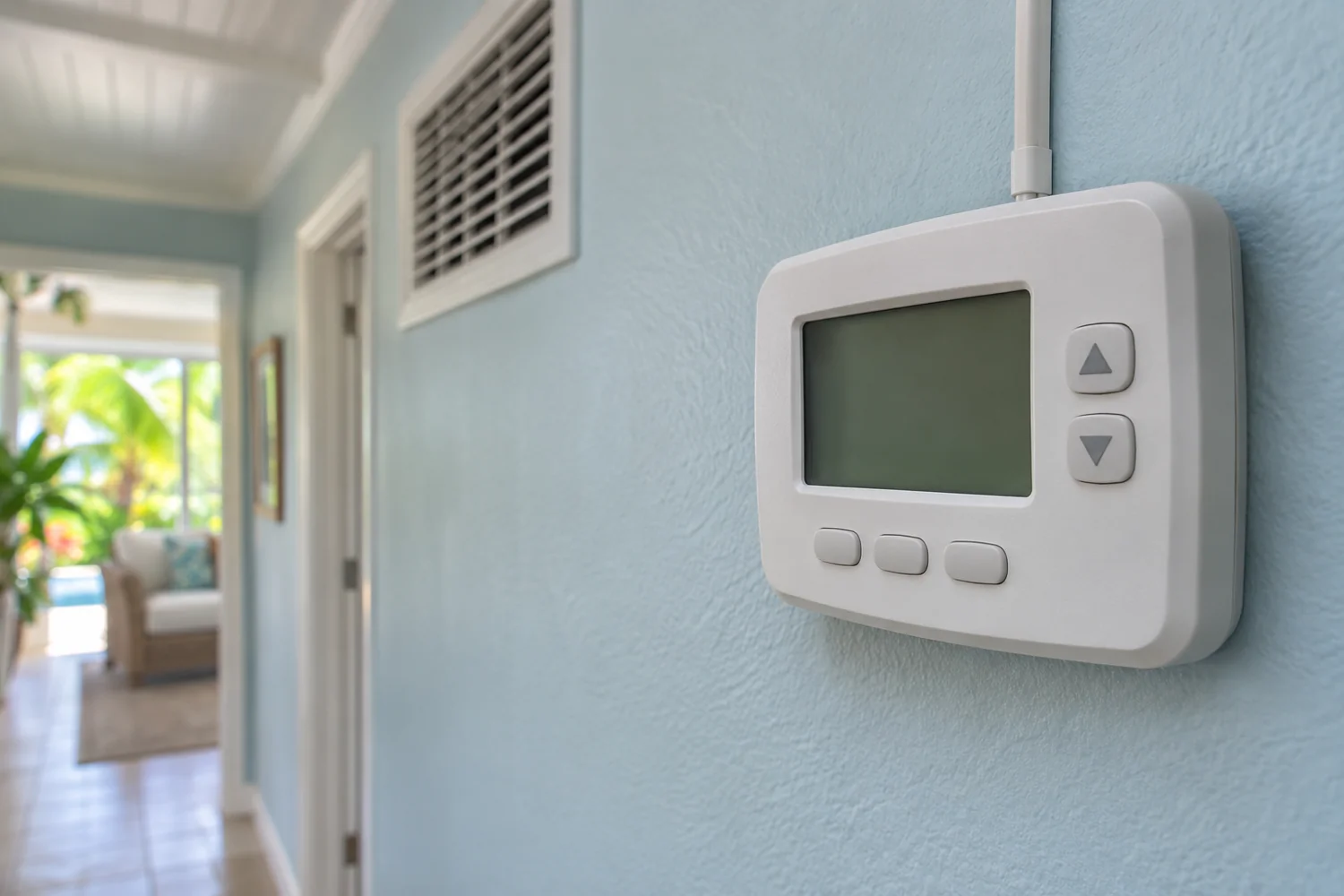
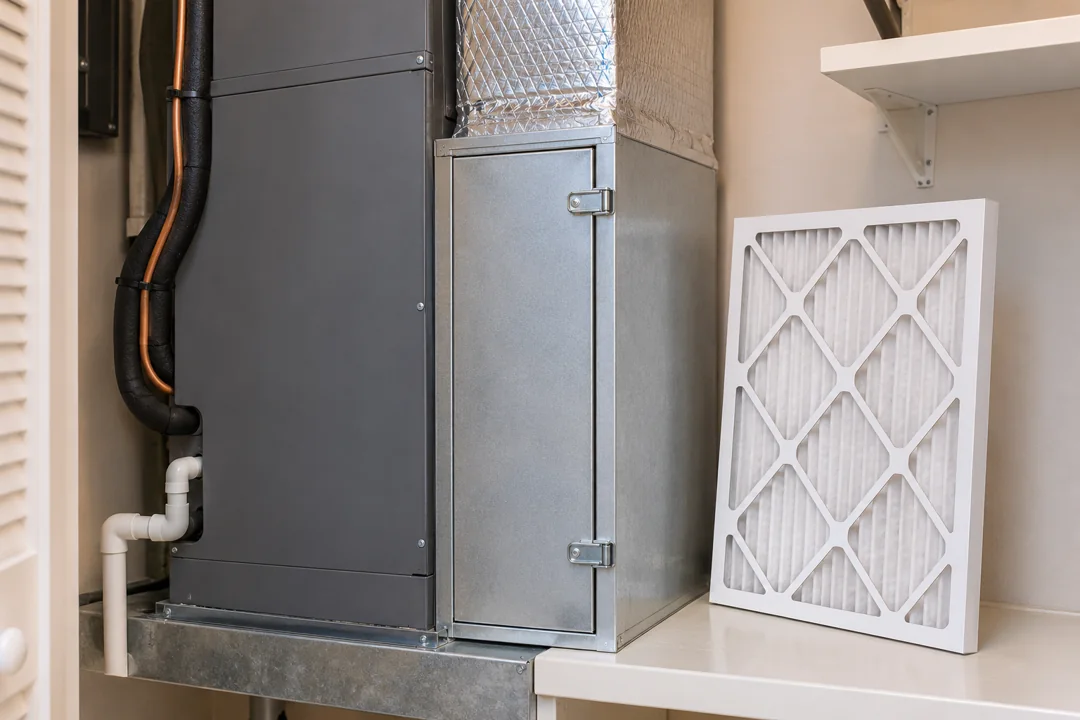
If you are comparing services because a room feels stuffy or air from a register changed, write down the symptom under normal thermostat settings. The airflow troubleshooting page explains which room comparisons help. If your concern is adding filtration to a system, ask whether the equipment can support it and what information is needed from its manual.
For a written proposal, ask what the service includes, which components can be reached and which conditions would require a different provider or assessment. Record how the work would be verified, and who can approve it if someone other than you owns the equipment. These questions can help you decide how to proceed after the provider confirms availability for your address.
Record which surfaces or rooms are affected
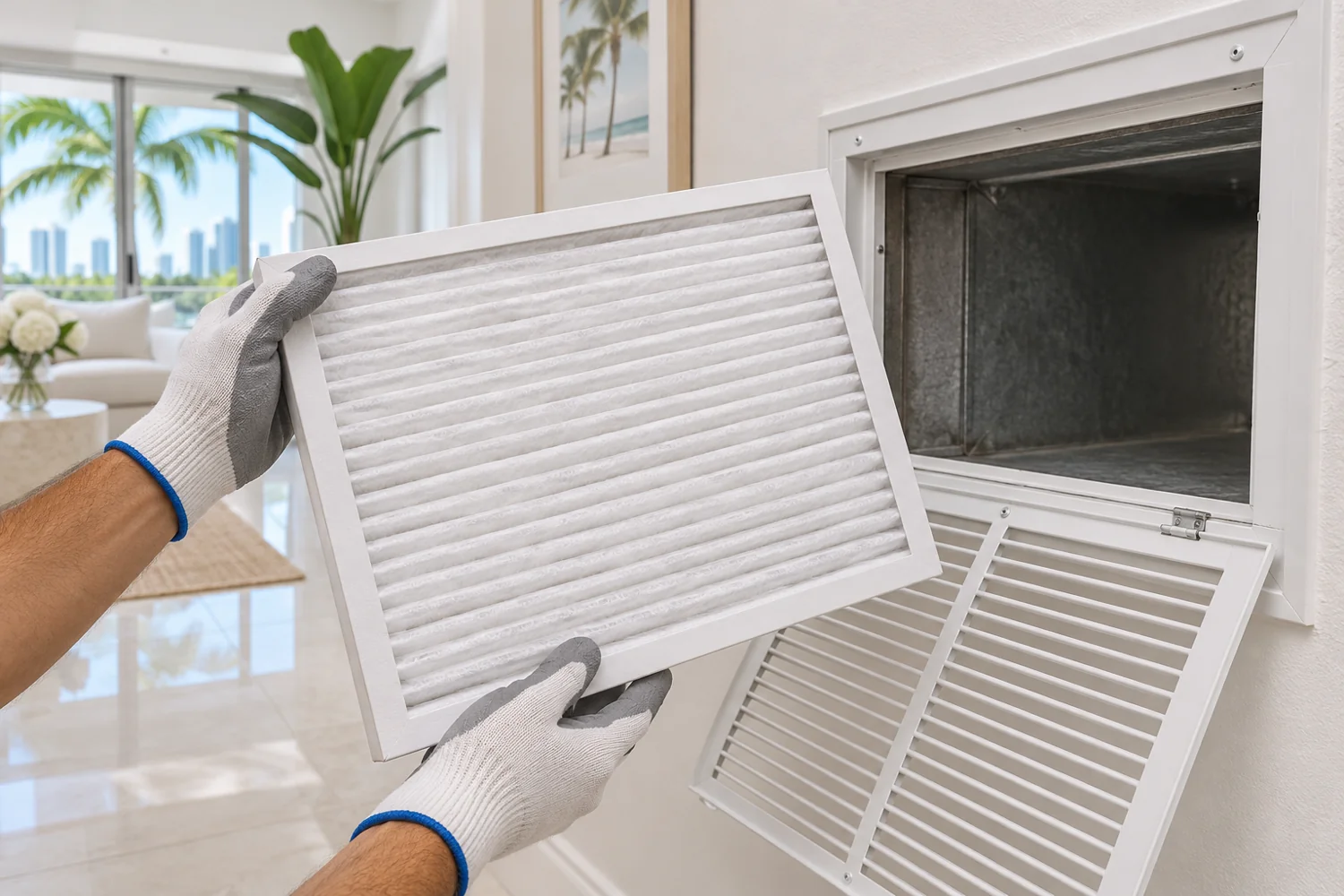
Use a simplified room list to report the locations that concern you. Give the approximate date you first noticed material around a grille and whether you remember recent drywall work, moisture or a filter replacement nearby. Photograph a grille from an accessible spot and include its location so a provider can see the context before a visit.
A useful assessment explains where the suspected condition begins and which parts of the system the proposed work would include. If the concern is isolated to one room, ask which observations would help separate a local housekeeping problem from a system issue.
 What Belongs on a Miami AC Maintenance Checklist?