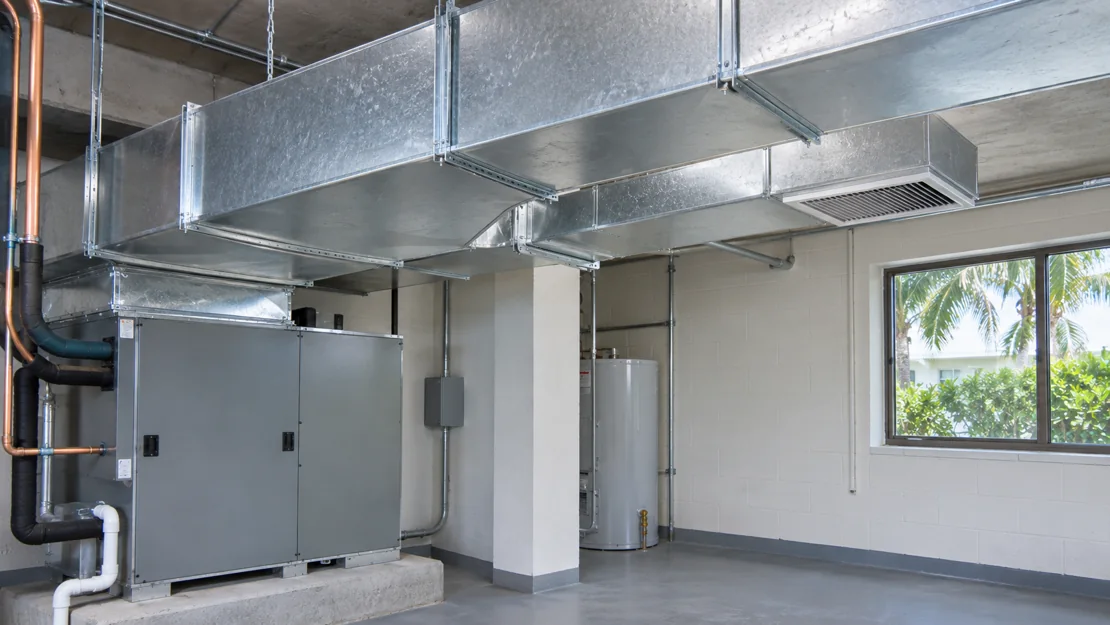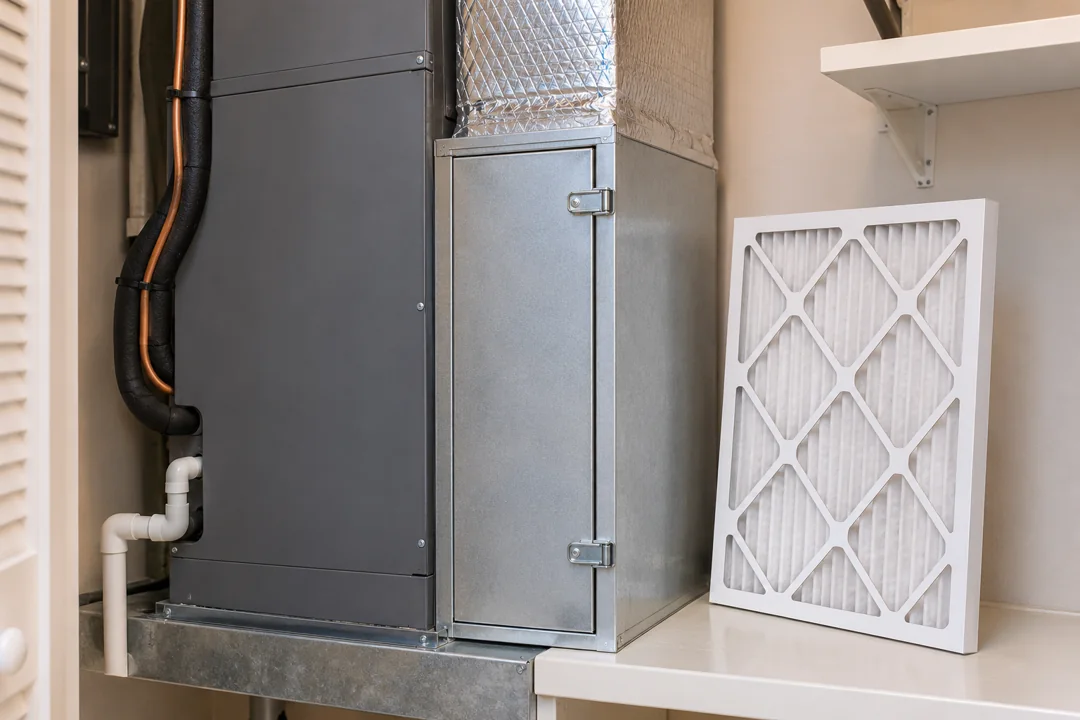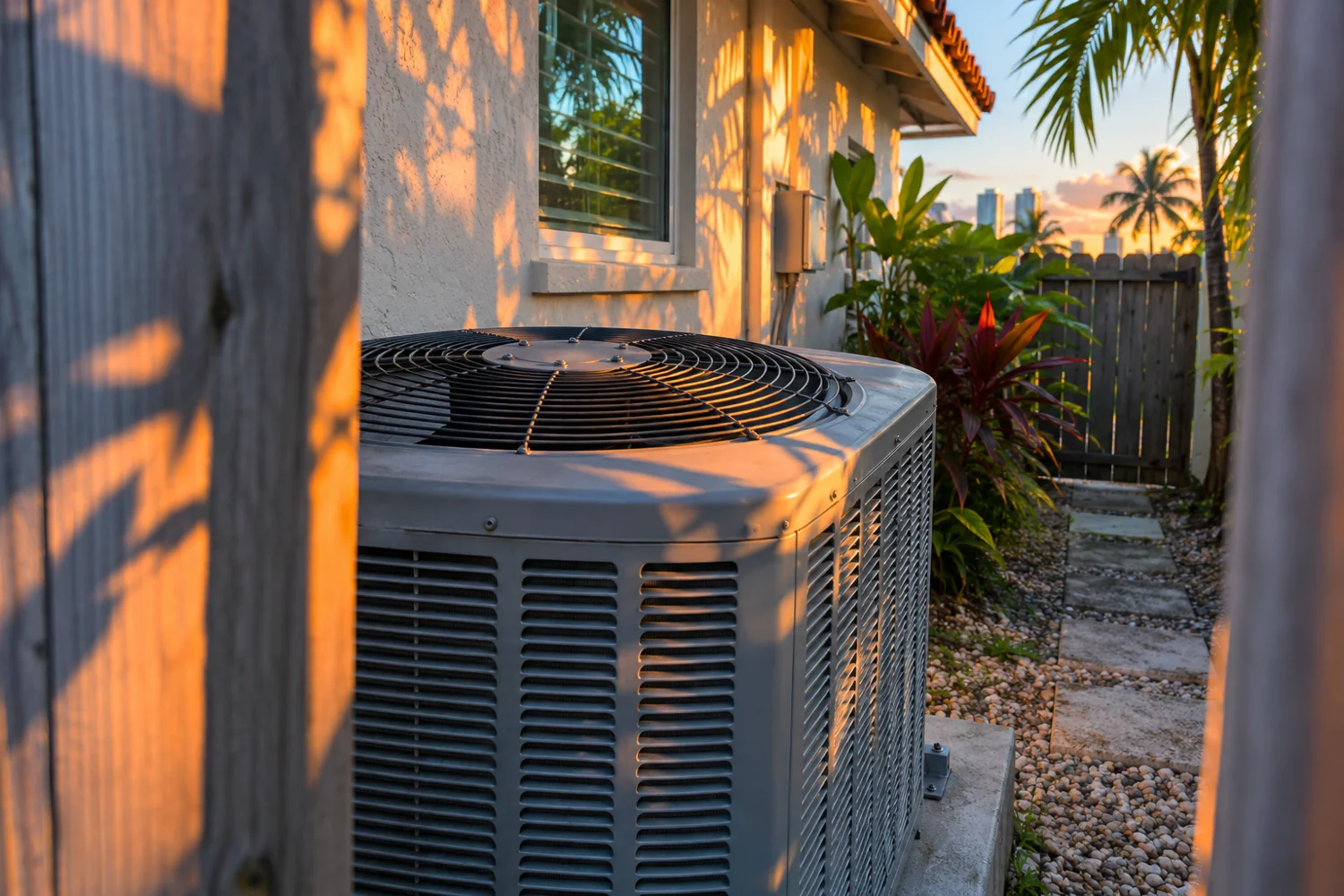
Identify the equipment that serves the affected space
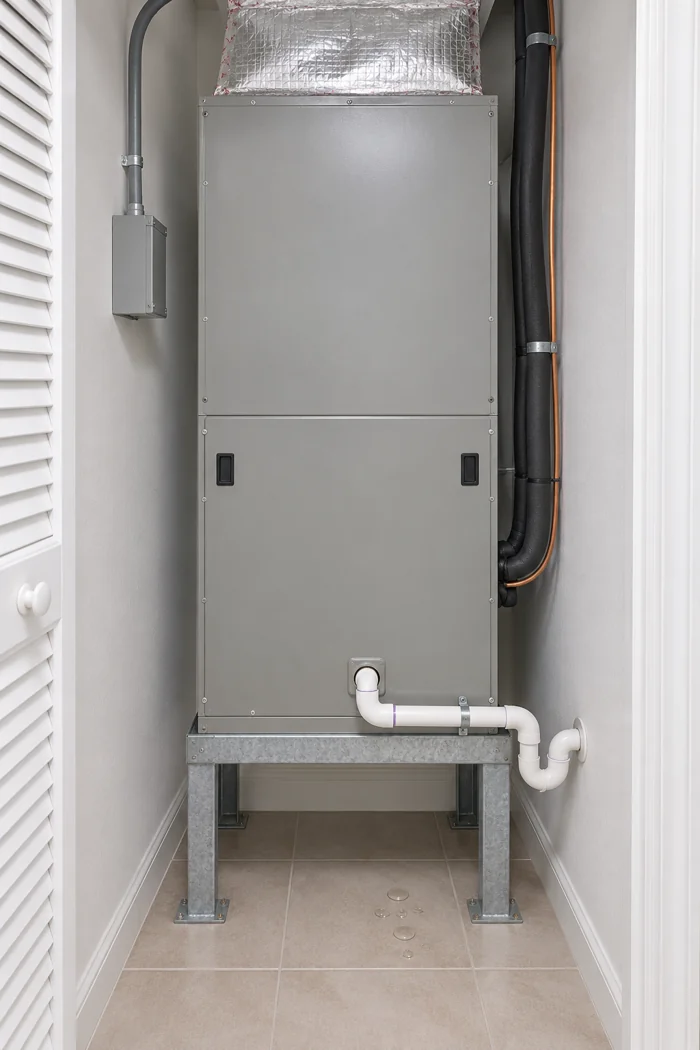
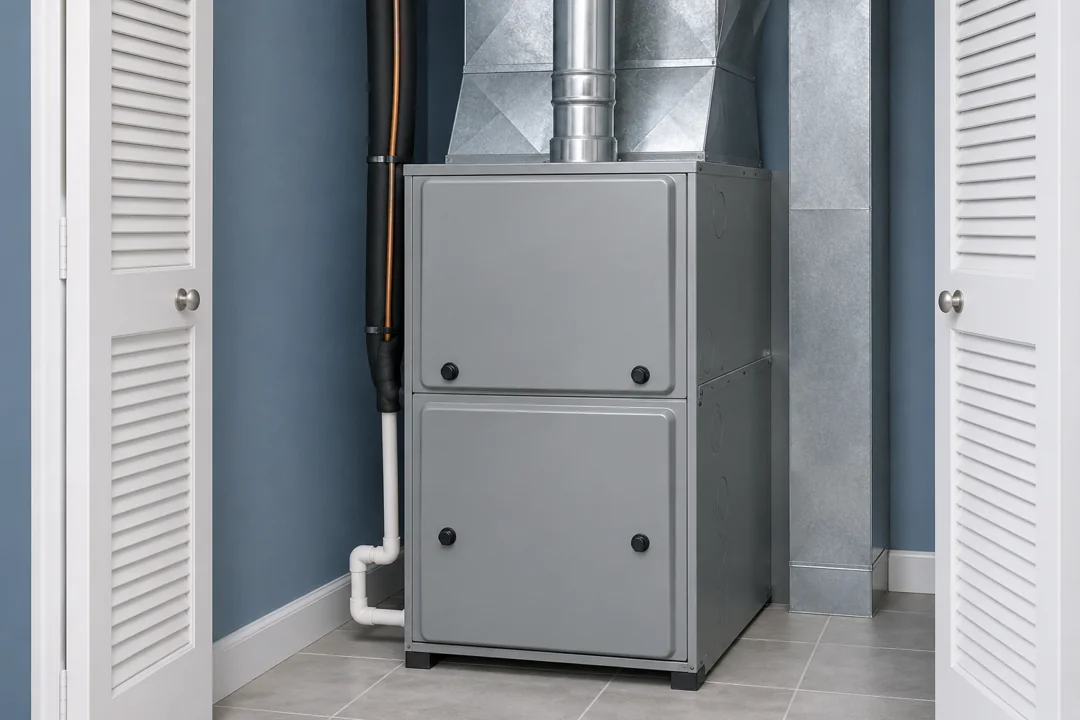
List the suite or floor affected and which thermostat controls it. An open storefront and a back office may use separate equipment even if the temperatures change at the same time. Record the displayed temperature and what you can observe at an accessible supply register. If a building manager knows the equipment designation, ask for it and include it on the request.
Give a timeline that matches how the space operates. For instance, a retail floor warms after the afternoon rush while a storage area stays comfortable. That pattern is different from a whole suite that warms immediately after opening. Share any recent change in occupancy, equipment, layout or hours that might help explain why the issue began.
Set up a clear contact and access plan
Ask who can approve an assessment, who has the equipment key, and who will meet the technician. For a tenant suite, reach the landlord or building contact if they control the equipment. Share whether the entry point differs from the public-facing address and whether a service vehicle needs an appointment at a loading dock. Note any signage that makes the entrance easier to find.
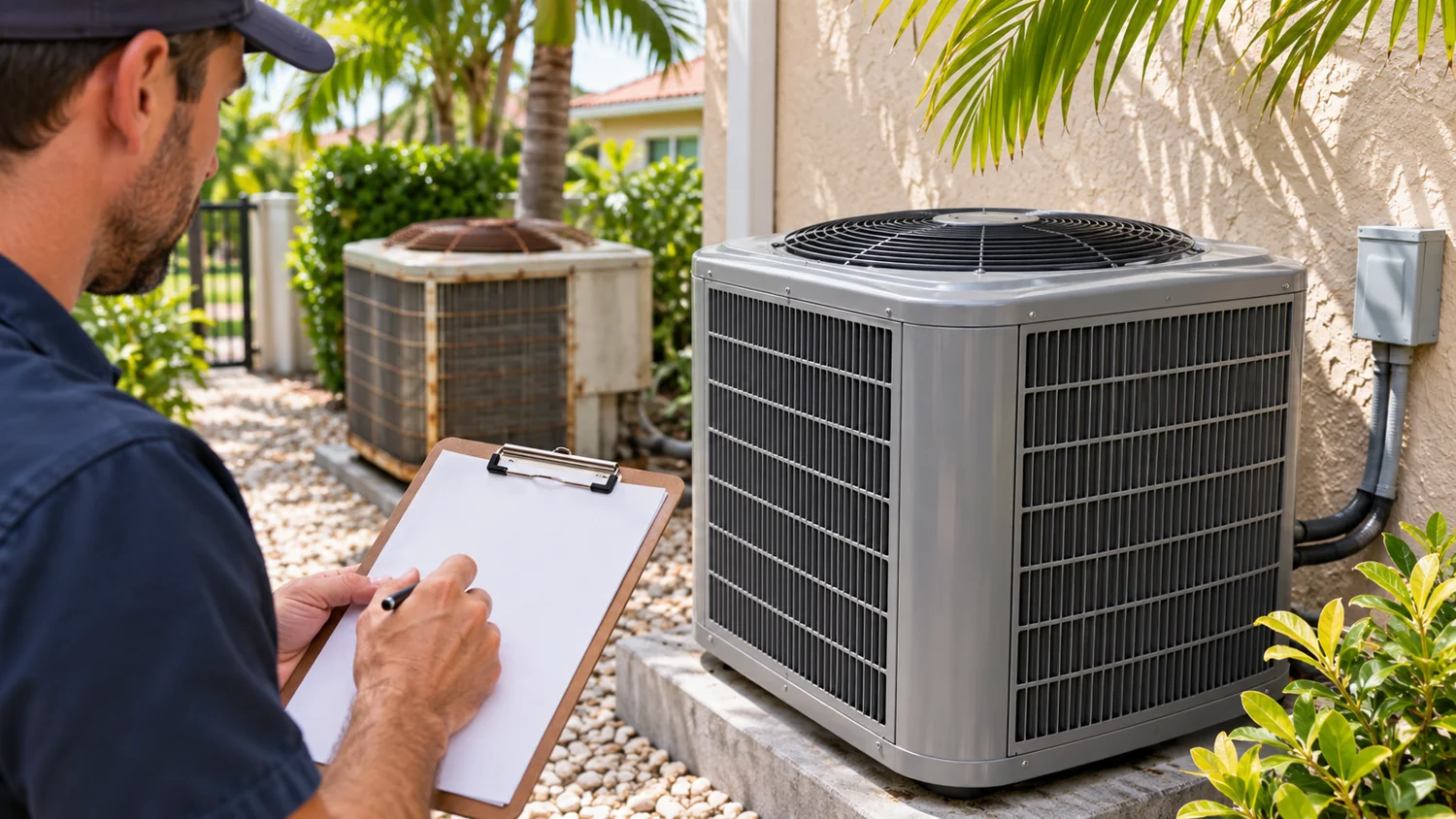
Explain if a service visit needs to happen around customer activity. Tell the team which rooms are accessible at different times and who can answer a call if the schedule changes. Ask which equipment is within scope before anyone coordinates roof access, obtains a key or closes an area of the business.
Agree on the findings and next decision
Request a description of which unit was checked, what was found and which proposed work addresses the problem. If the scope applies to a room you reported, ask how the outcome can be checked under conditions similar to those you described. Record any separate access or building issues the estimate identifies. A written summary helps when several people must approve the work.
If water is involved, share where it appeared and send the information to whoever manages the affected property materials. Use the AC water leak page to prepare a clear description. Once service is arranged, keep the callback number and suite information with whoever will be on site. If the issue returns, use the previous assessment date and report what changed.
Separate the equipment issue from the business impact
Explain which rooms need attention and which parts of daily operations are affected. A warm reception area can interfere with customer visits while a separate storage area may stay comfortable. Give the timeline and identify any changes in hours, equipment load or room use. The provider can use those observations to ask about the correct thermostat, unit and service entrance.
When several people coordinate a visit, share one written summary containing the address, suite, contact and access instructions. Keep it updated if an entrance is closed or a manager’s hours change before the visit.
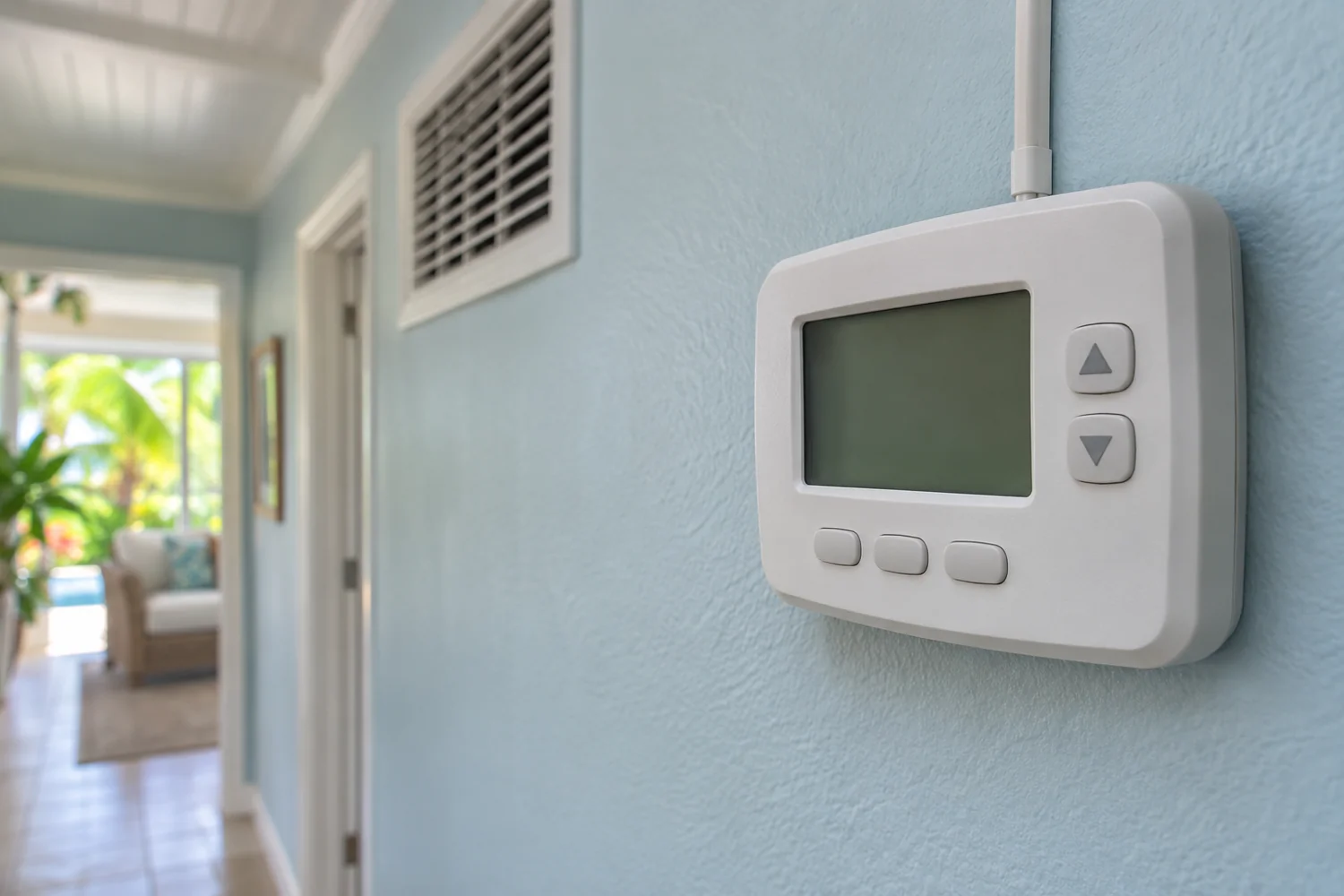 Why Is My AC Running but Not Cooling?