Start with what the property needs
Describe which rooms get uncomfortable and when. Give the current equipment age if known and review the last several repair notes. A system that recently stopped cooling presents a different question from a space with persistent afternoon heat or uneven airflow. If you have added a room, changed how the property is used, or moved a thermostat, mention those changes so the assessment can account for the current building.
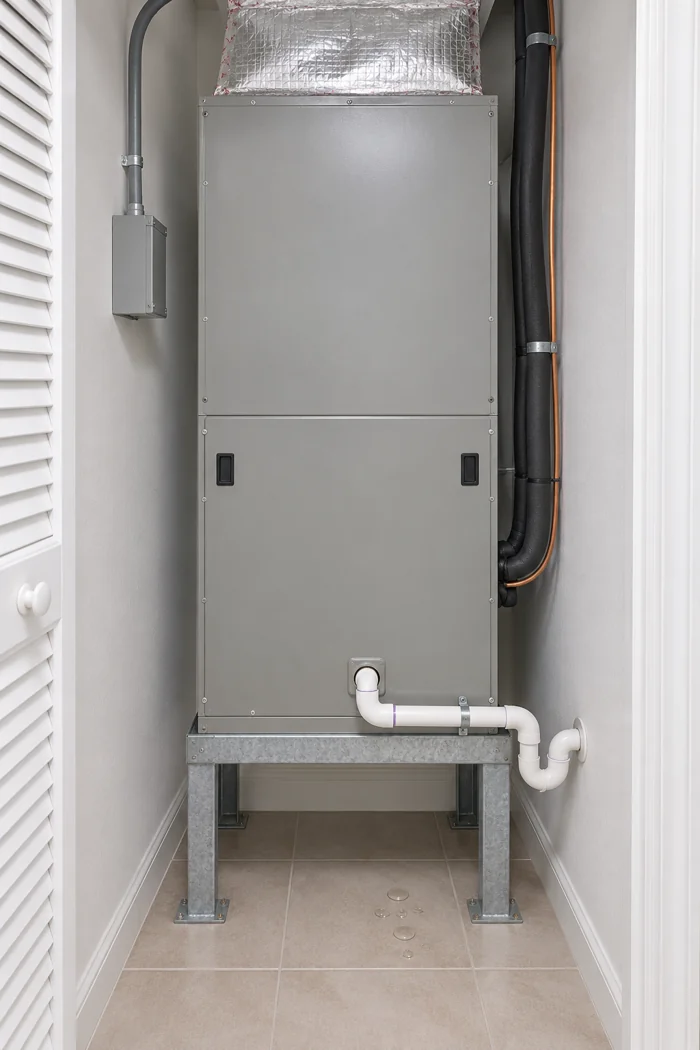
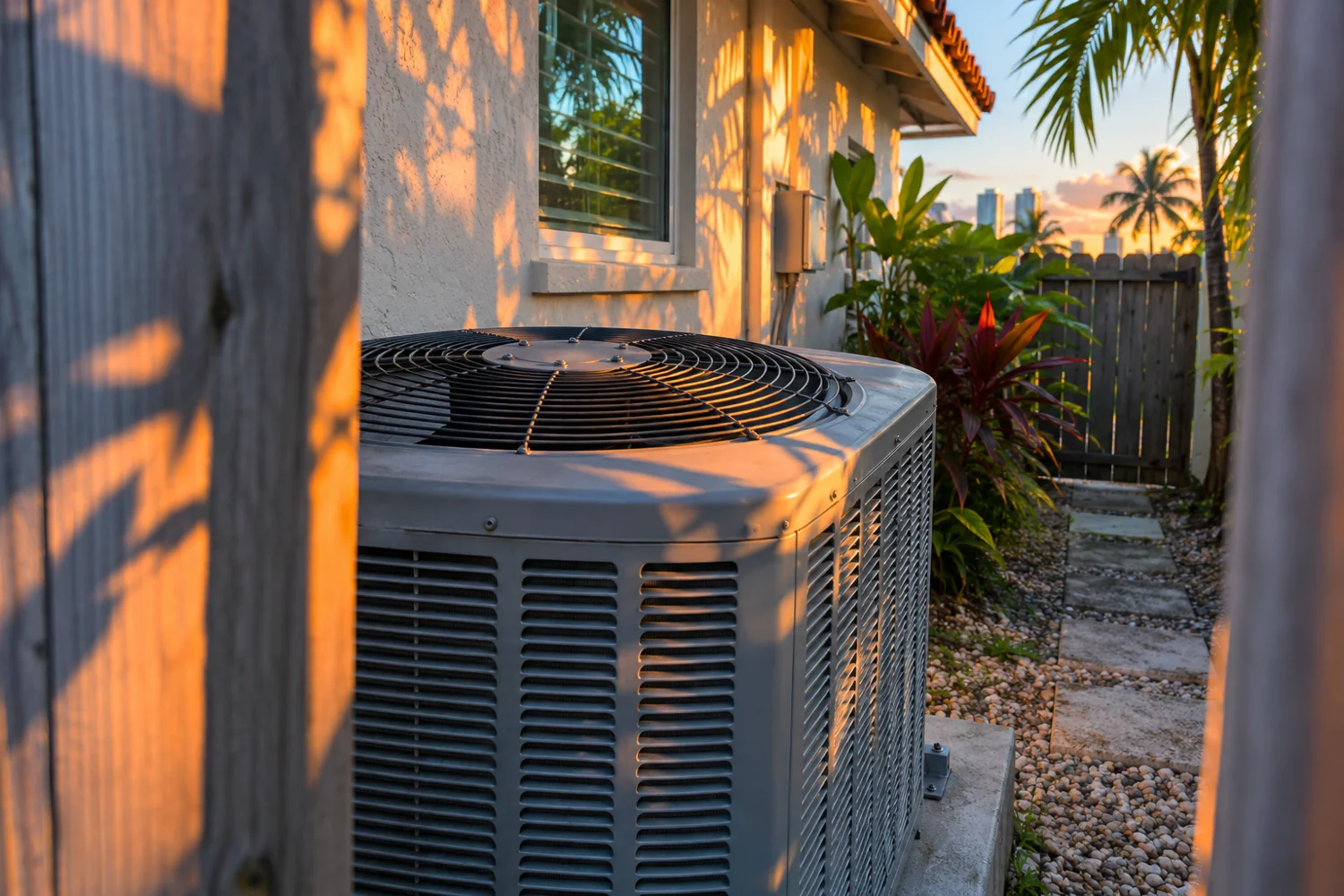
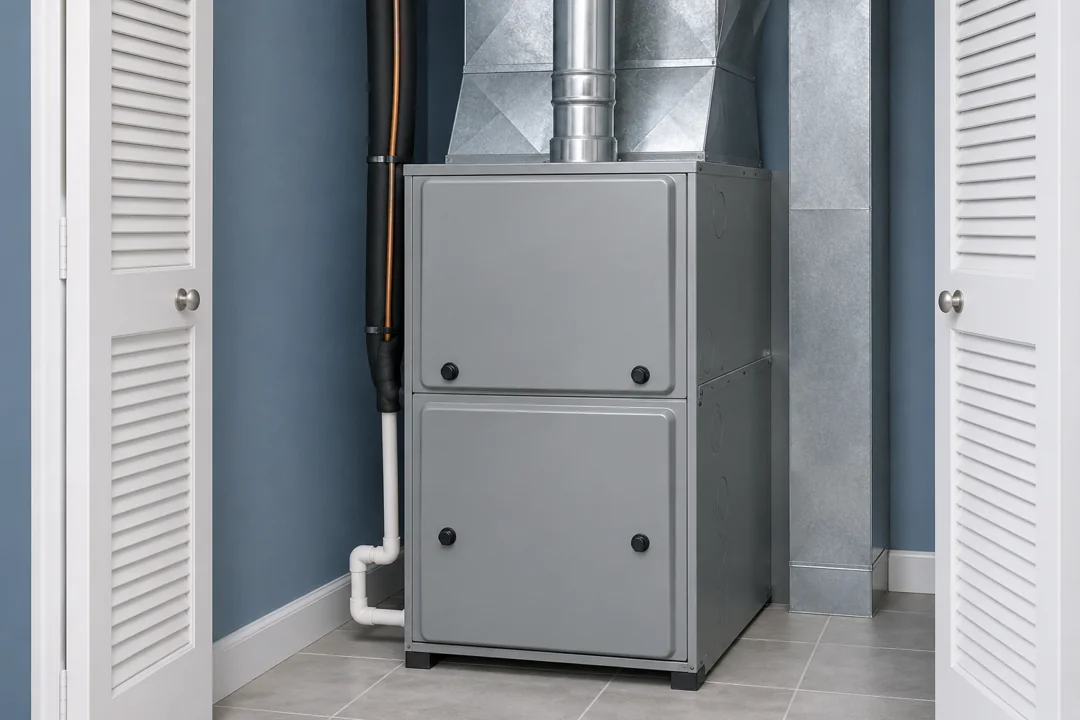
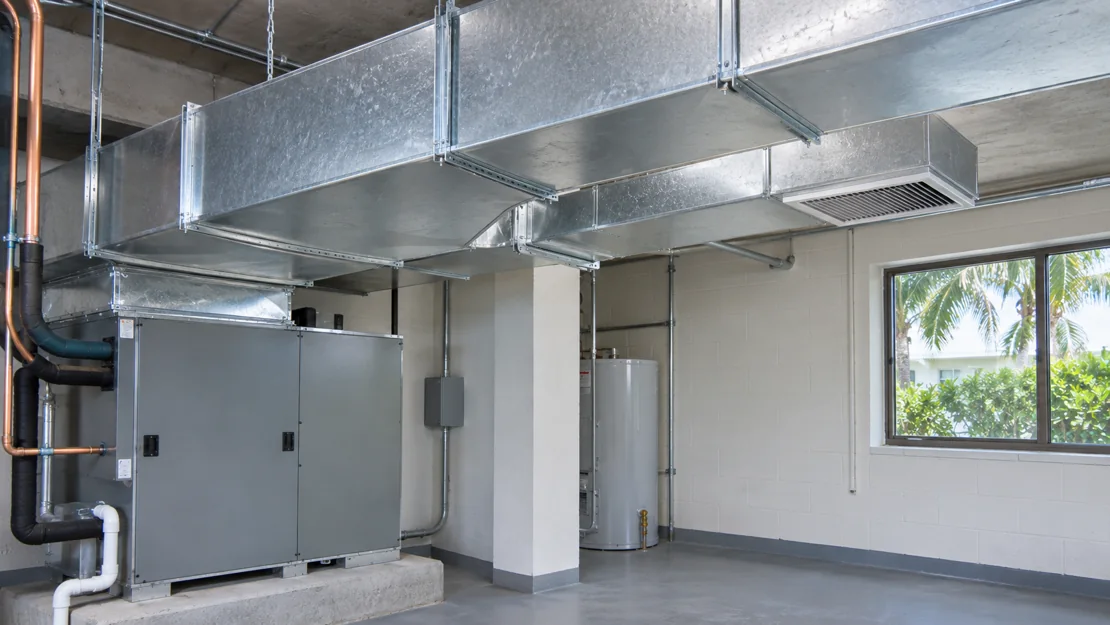
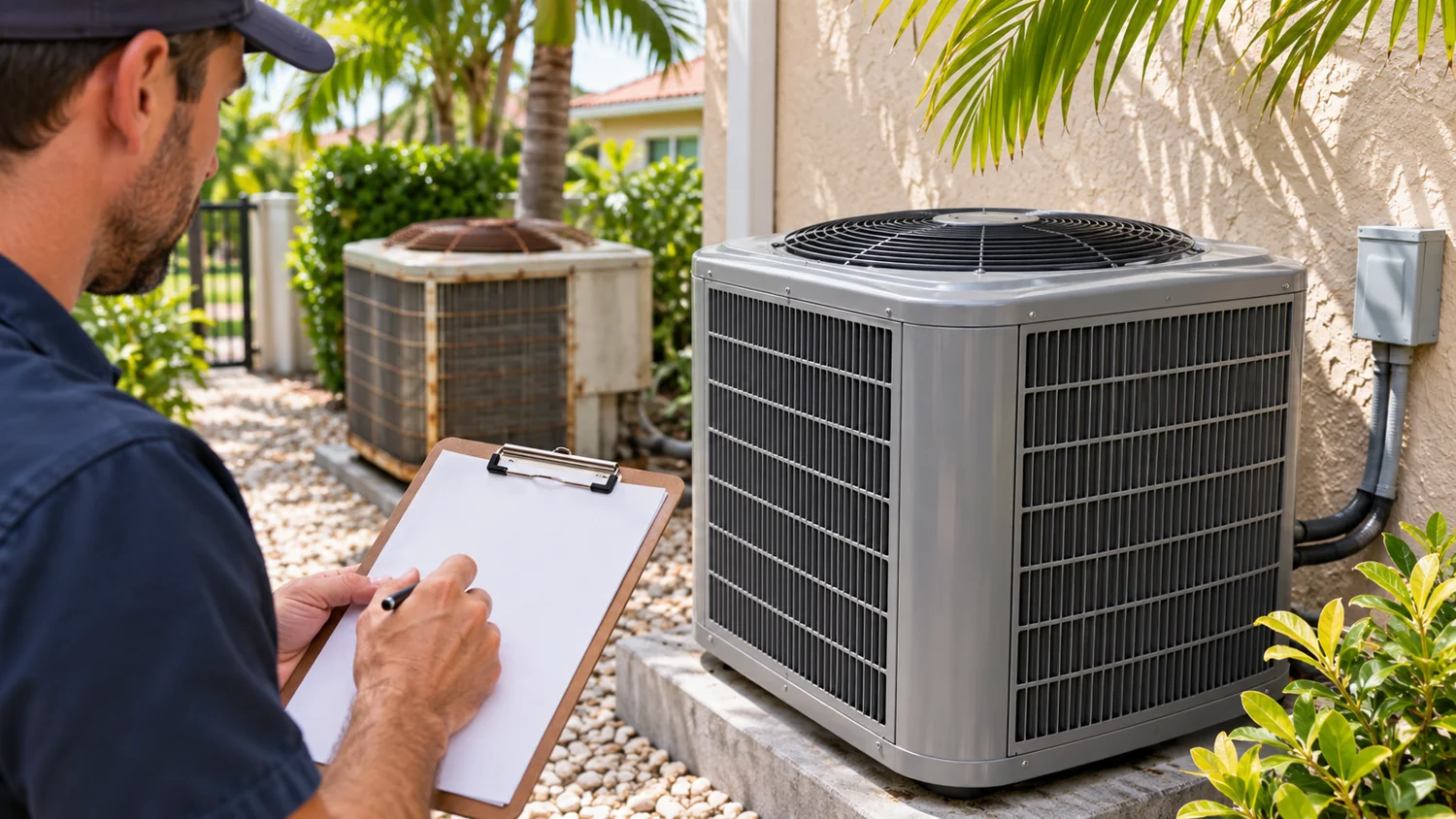
Gather the labels on any accessible indoor and outdoor equipment and note whether they were installed together. For a condo or rental, check who can authorize work and which mechanical areas the association or manager controls. Ask about delivery access, vehicle entry, and whether the equipment can be reached from the property. Confirm appointment scope directly with the team.
Compare complete installation scopes
ENERGY STAR explains why proper sizing, airflow, duct evaluation and refrigerant charge matter. Ask which existing equipment, ducts, controls or connections a proposed scope would use and which it would replace. If two providers recommend different system sizes, ask what each considered about the actual home. A written scope makes it easier to check whether both proposals cover the same work.
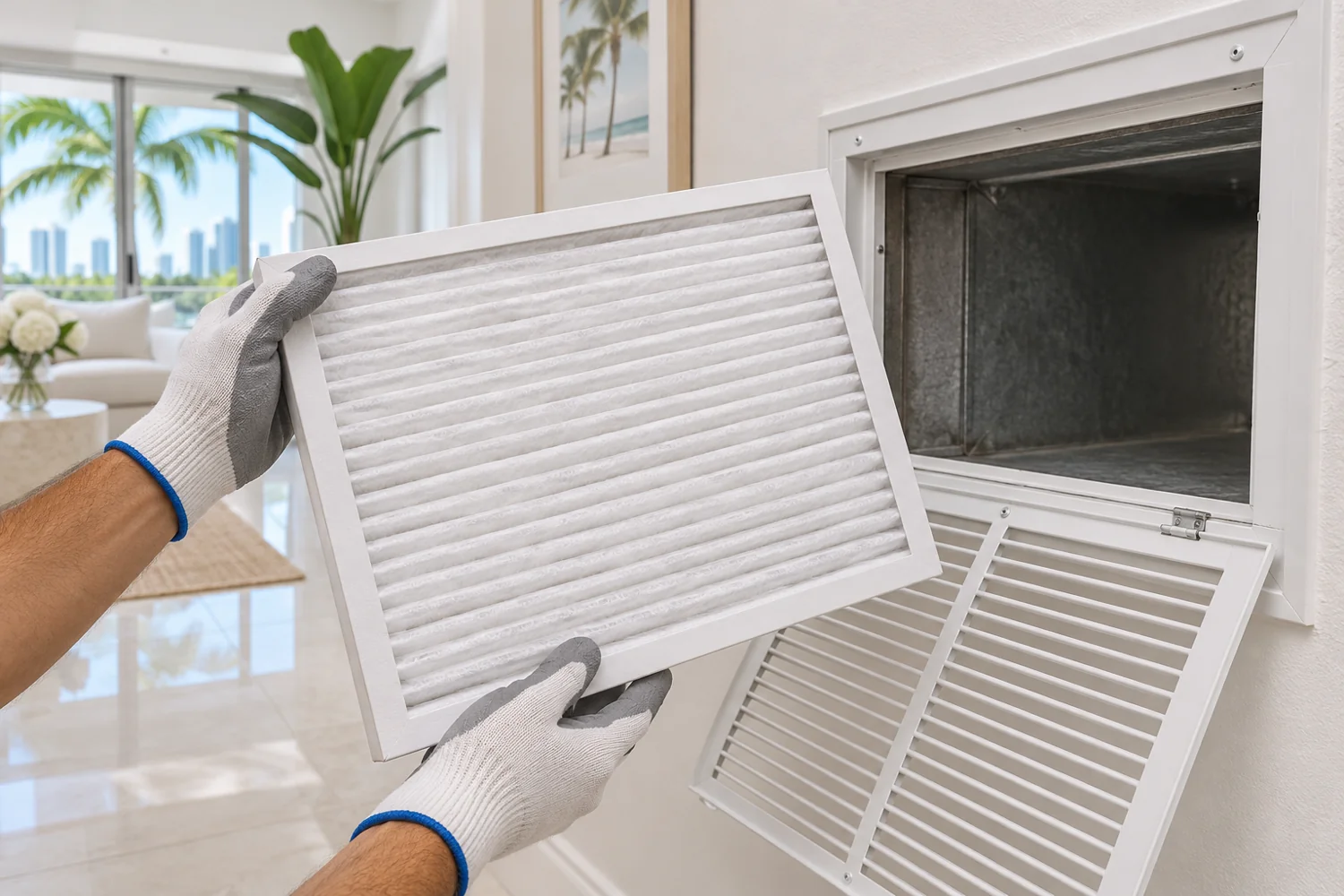
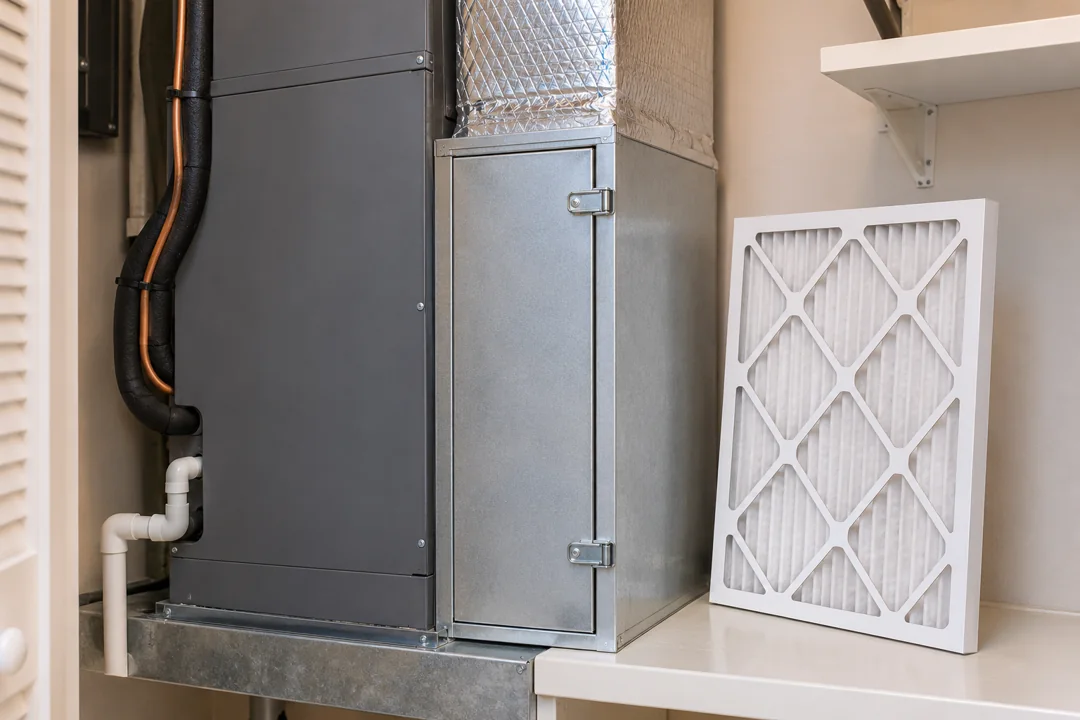
Ask what testing follows installation and what information you receive about controls, filters and regular care. If an estimate lists optional work, find out what it addresses and whether it affects the proposed outcome. Record who handles any permits, disposal and access arrangements before choosing a start date. The team can explain which details depend on a visit.
Keep repair in the comparison when it fits
If the unit has an isolated problem and the rest of it performs well, ask about the cost and expected outcome of repair. For an older system with repeat issues, compare the existing repair history with the proposed replacement scope. The repair or replacement guide explains which questions help you compare the two options. Ask whether any room-specific concerns need their own evaluation.
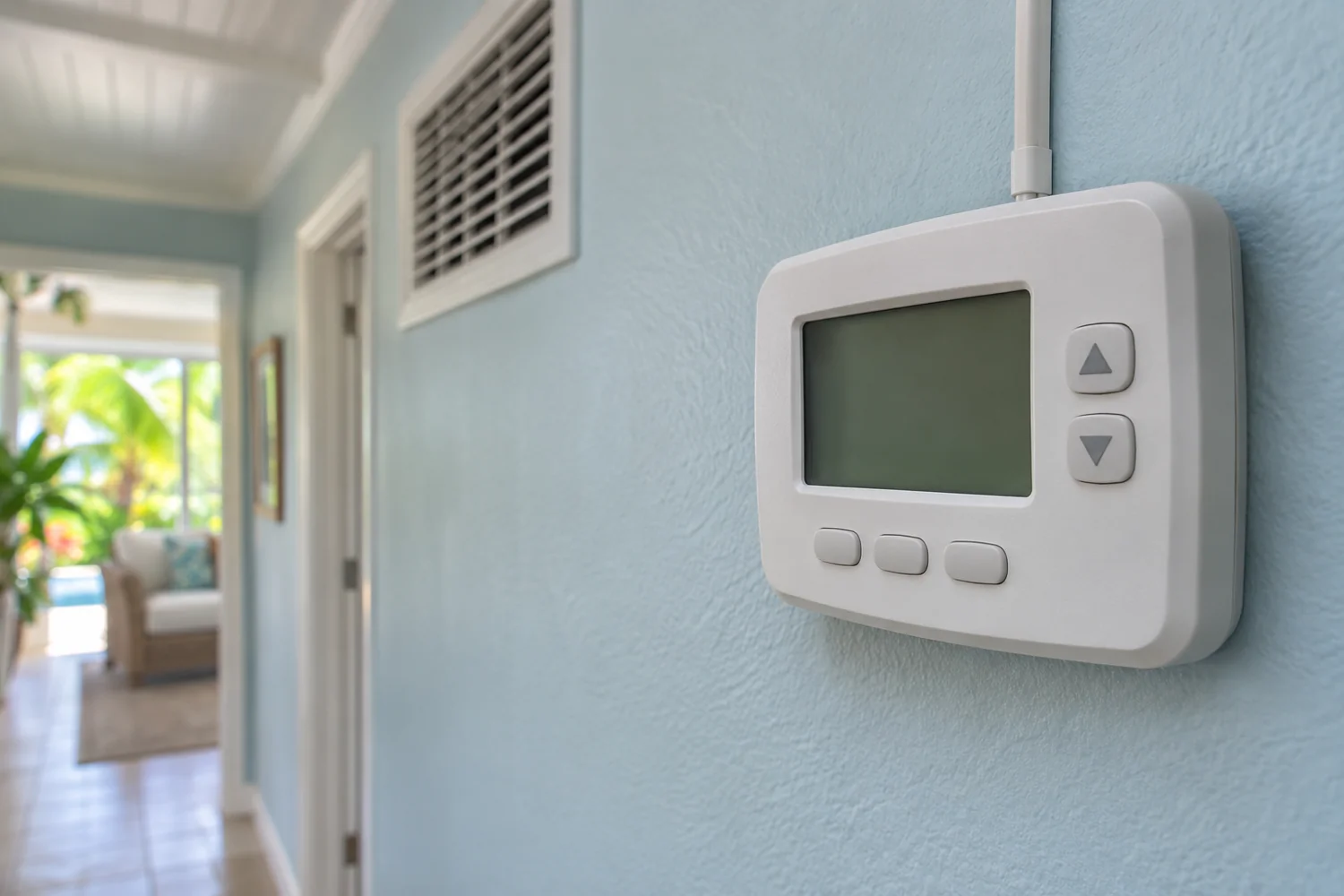
Write down the reason for your preferred option and how you would check performance afterward. That might be a comfortable temperature in a particular room, better airflow during a normal cycle, or a clear understanding of how to use the thermostat. Keep those goals with the scope so you can discuss them during startup and later follow-up.
Plan for a startup walk-through
Before the work begins, share which rooms you want to check during startup and who should learn the controls. If a tenant occupies the property, arrange for them or the building contact to receive filter and operation information. Ask which manuals, startup findings and scope details will be provided. If the provider will reuse equipment, record that in the final scope.
A clear walk-through makes future service easier. Keep the notes about what was installed, which room or airflow concerns were discussed, and who to reach if the original comfort issue returns.