When a maintenance visit makes sense
Routine maintenance is a good time to raise changes you have noticed while the unit still cools. A filter that gets dirty more often, a new vibration, or a room that takes longer to cool can help direct the conversation. Start with what you observed and when it changed. If the unit has already stopped cooling, describe that first so the team can discuss a repair assessment for the symptom.
Write down what happened on the last visit and whether any parts or access points were left for a later check. A recent invoice, filter label or thermostat notice gives a useful starting point. Have the indoor and outdoor model information available if their labels are easy to reach. The date of your last appointment is helpful even when you have no paperwork.
Discuss the inspection scope
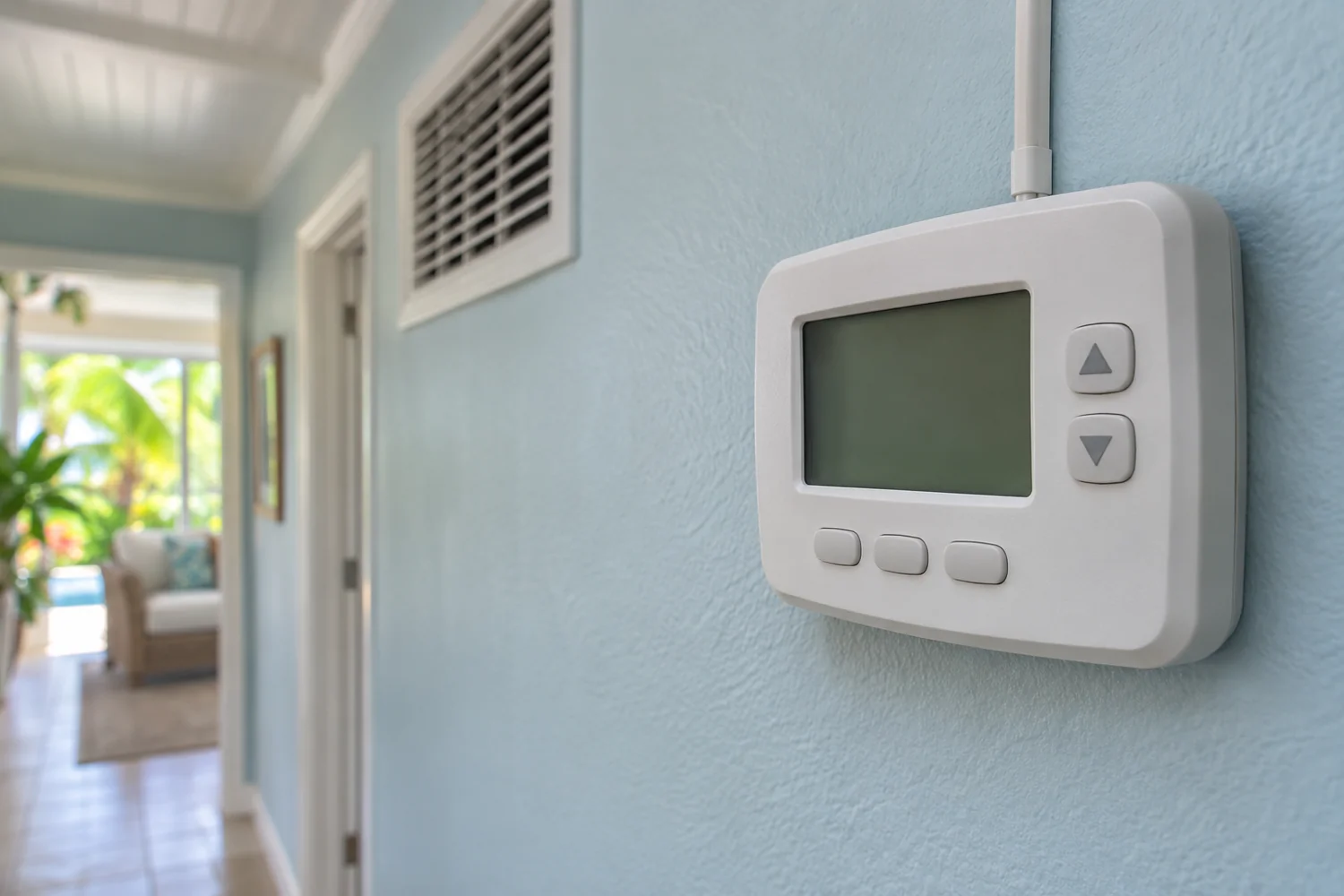
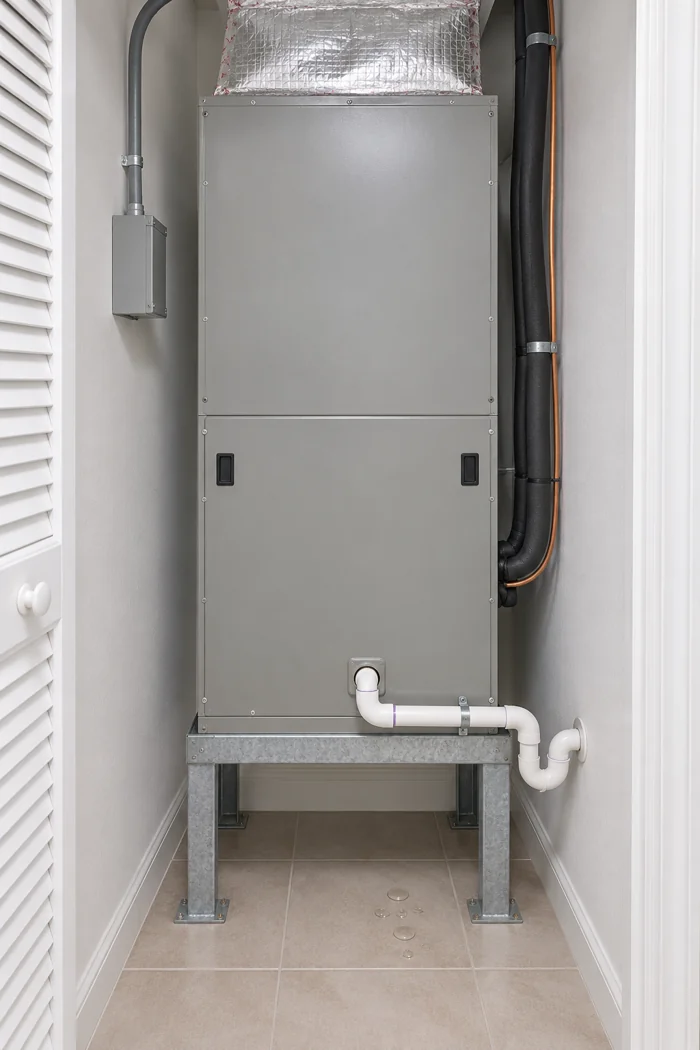
The ENERGY STAR maintenance checklist identifies common items such as checking the thermostat and controls, airflow, and the condensate drain. Ask which items apply to your system. Explain if you have a split system with more than one indoor unit, several thermostats, or equipment the building limits access to. Have the person who can authorize entry available when you schedule.
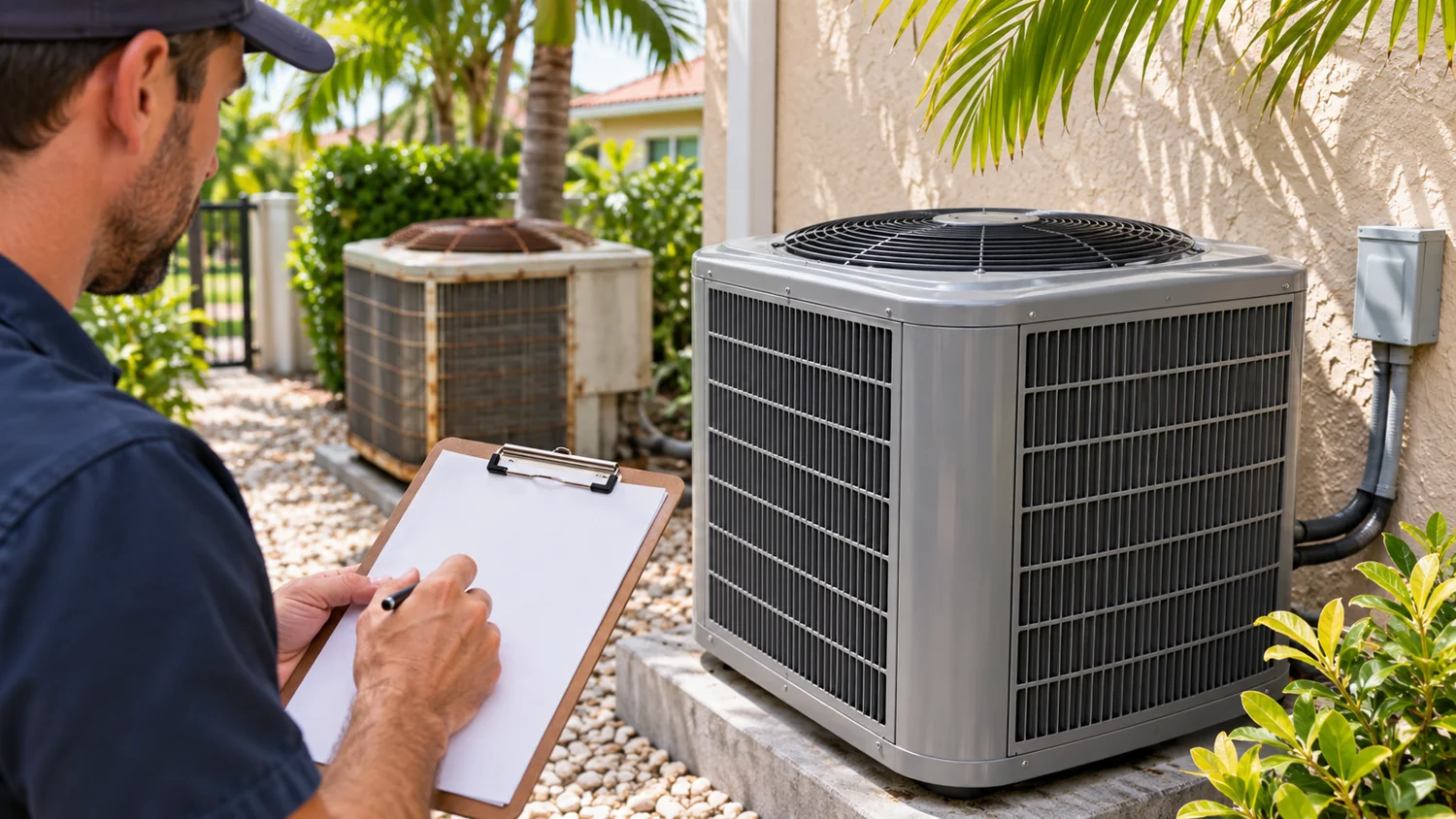
A maintenance visit can also give you a baseline for later comparisons. Ask how the team will explain what was observed, which conditions need attention, and what you can monitor from accessible areas. If the technician identifies a potential repair, ask for the relevant finding, scope and next step. Keep the recommendation together with the approximate date and equipment model.
Set up a useful record for the next visit
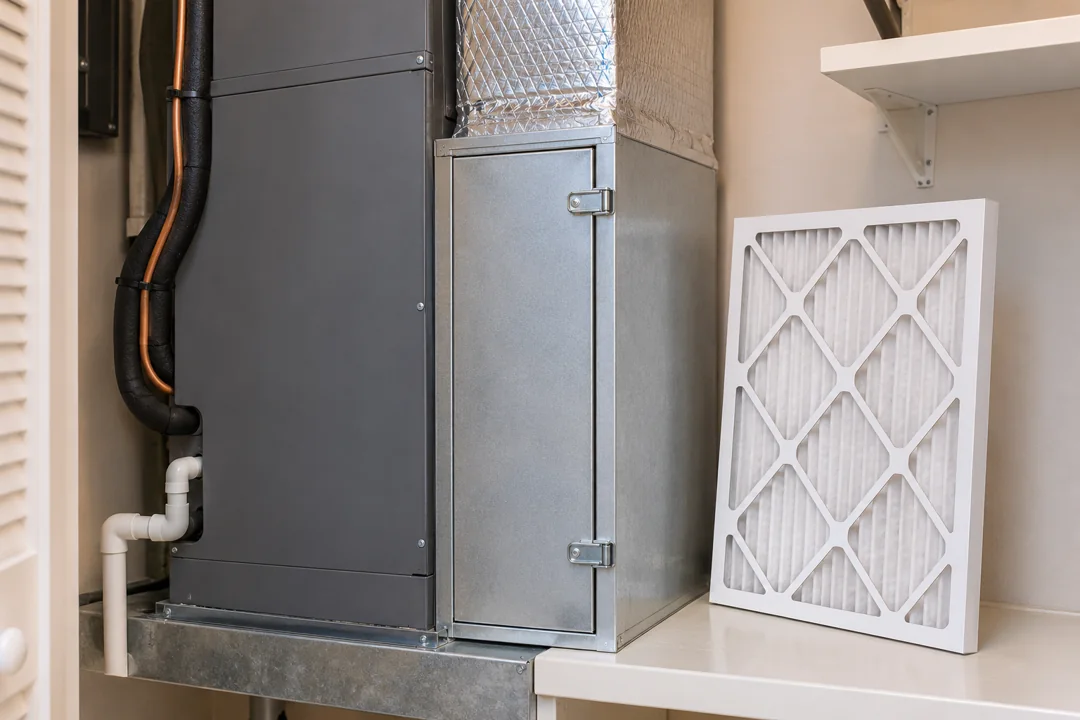
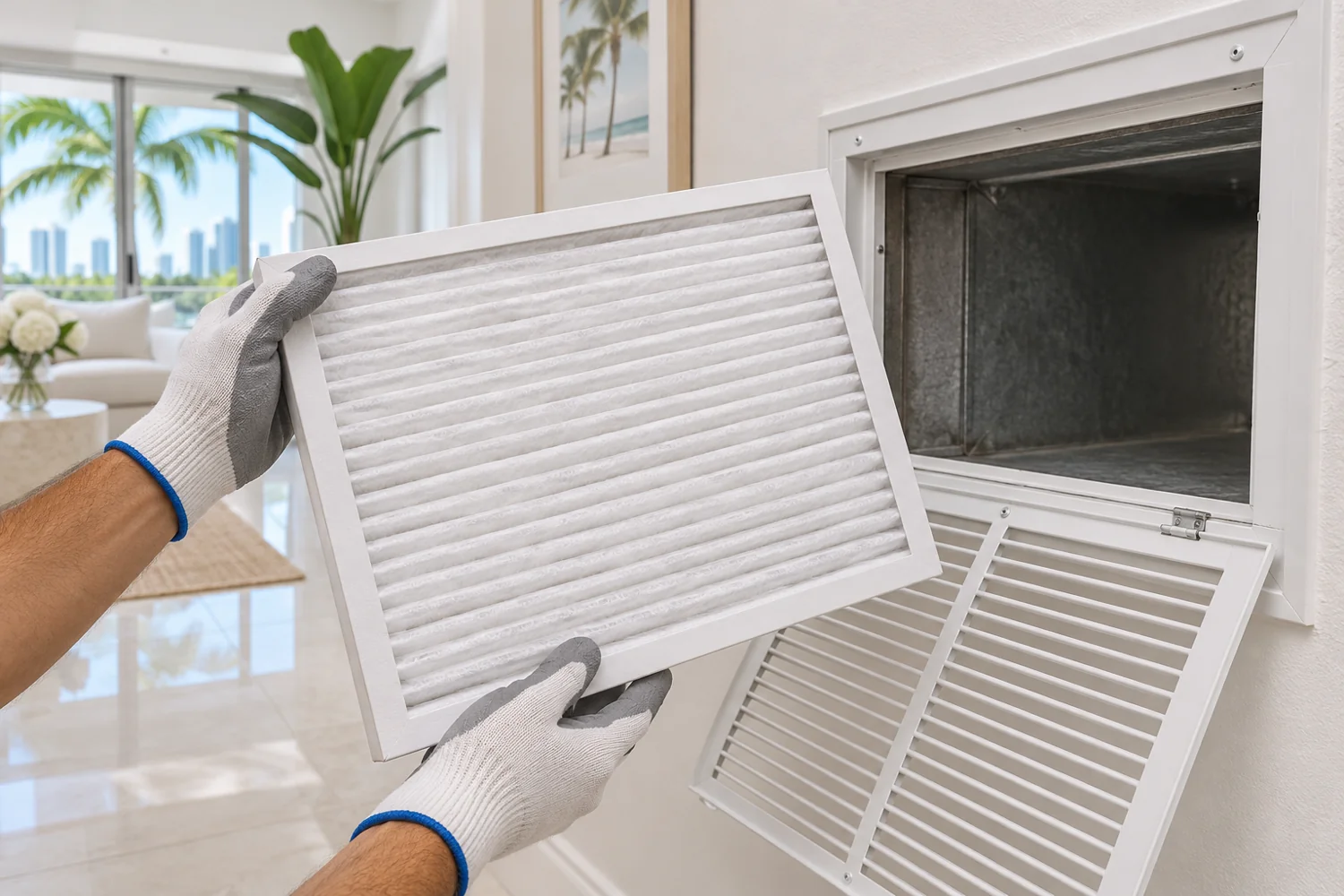
Make a brief note of which rooms felt normal, where airflow changed, and whether there was moisture by the equipment. If the system cools normally after the appointment, record that and the thermostat setting. Consistent notes help you describe a later change without relying on memory. Keep the filter size and manufacturer instructions somewhere accessible to anyone responsible for the property.
For a rental or business, identify who sees the equipment regularly and who should approve additional work. Share the service window and access arrangements with both people. If the unit is behind a controlled door or in a shared mechanical room, confirm when somebody can open it and where the technician should enter. Read the maintenance checklist guide for everyday observations you can report.
Decide what to record while the system is working
Pick a time when the system is cooling normally and note the thermostat setting and the rooms that feel comfortable. Keep an accessible record of the filter type, date of the last inspection and any previous drain or control work. If the home has two systems, label each record by the rooms it serves.
These reference notes make it easier to describe a gradual change. Ask the service provider how to recognize equipment-specific signs that should prompt a repair call. The timing of a maintenance visit and its scope depend on the equipment and access at your property.