Find out what kind of heating equipment you have
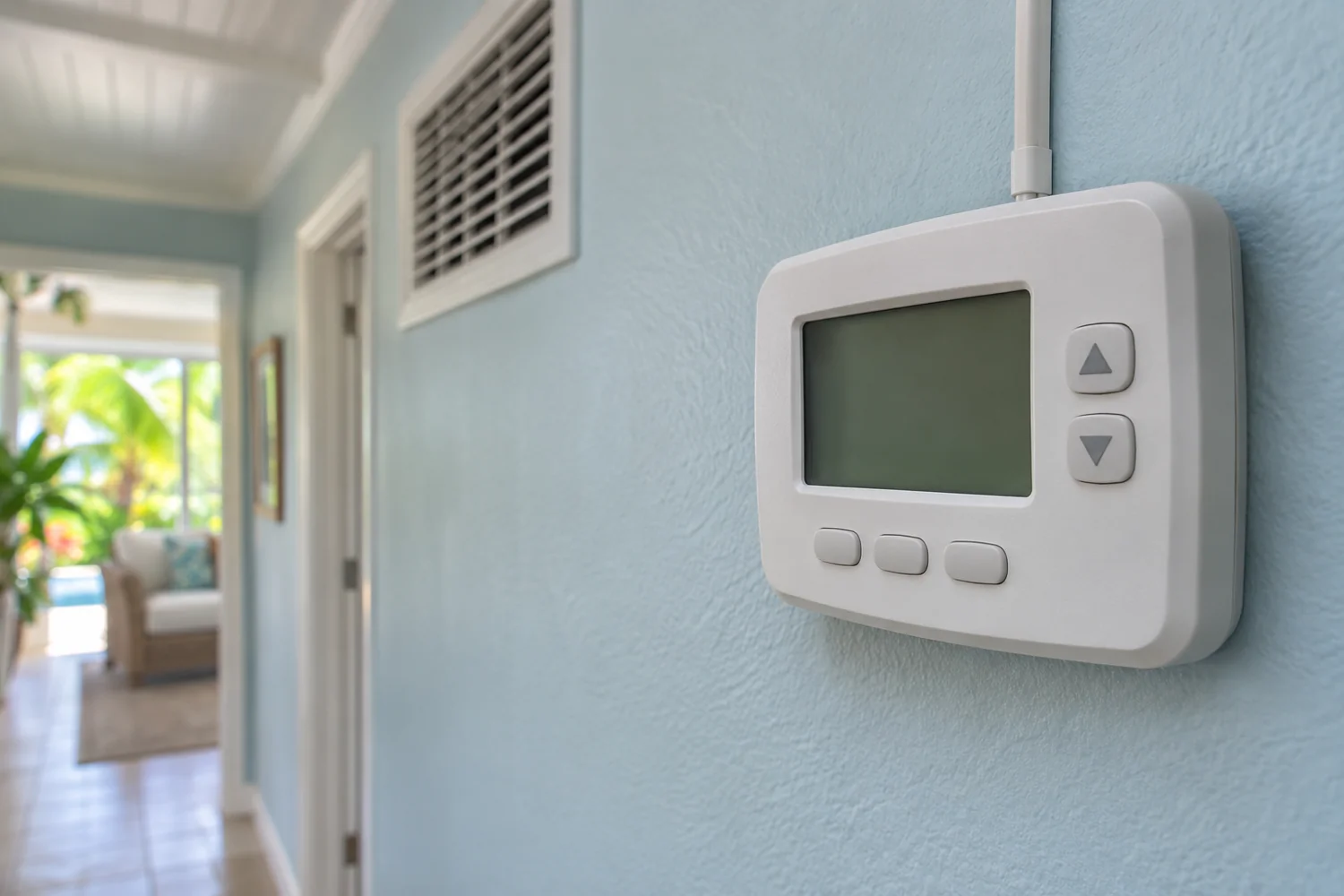
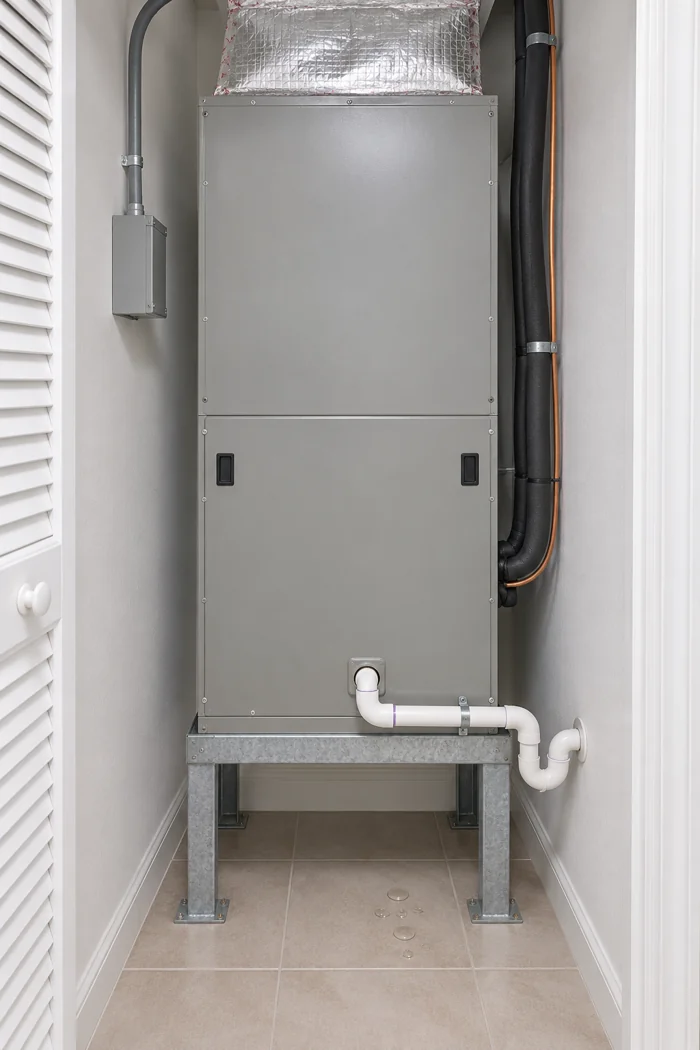
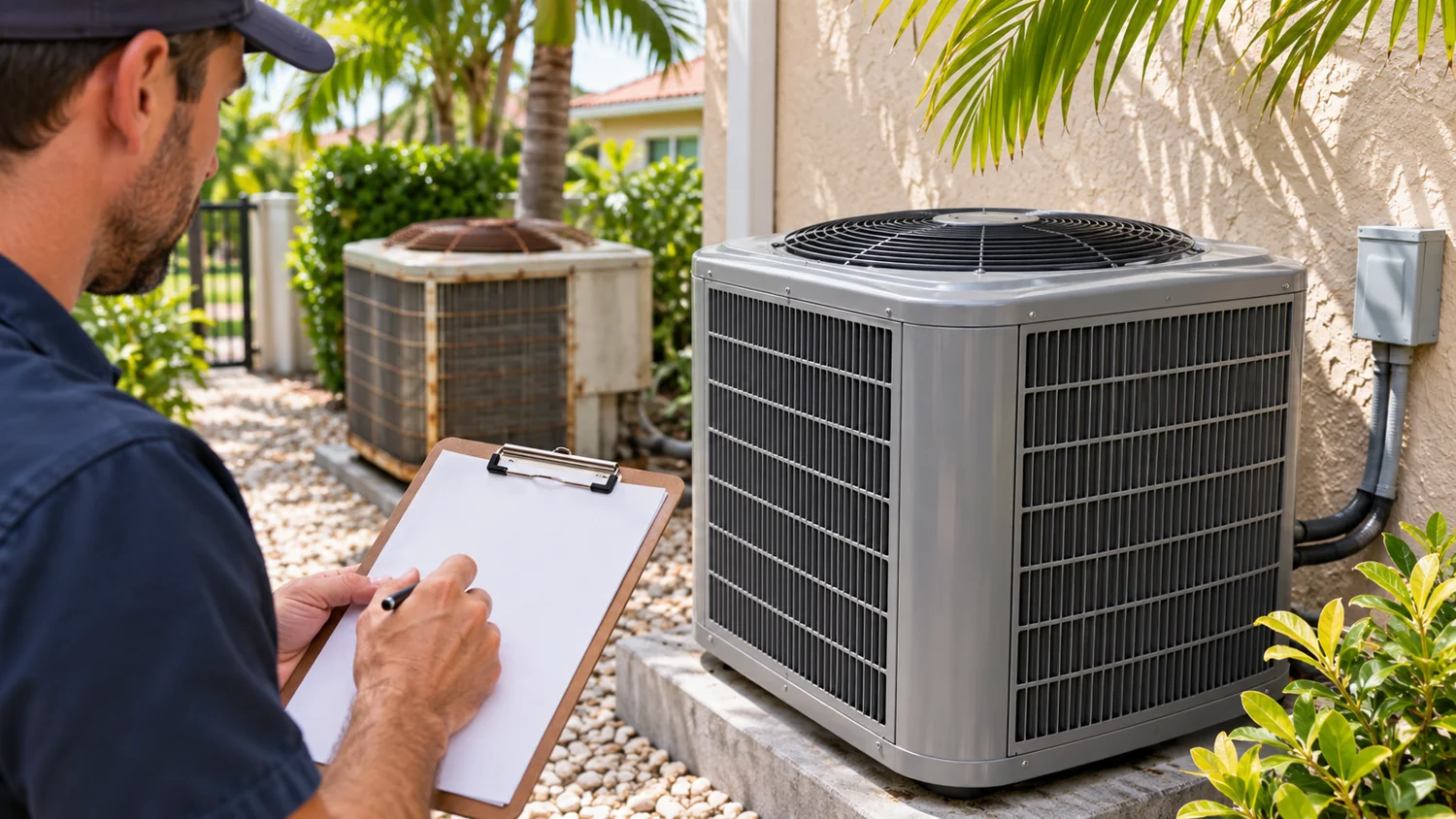
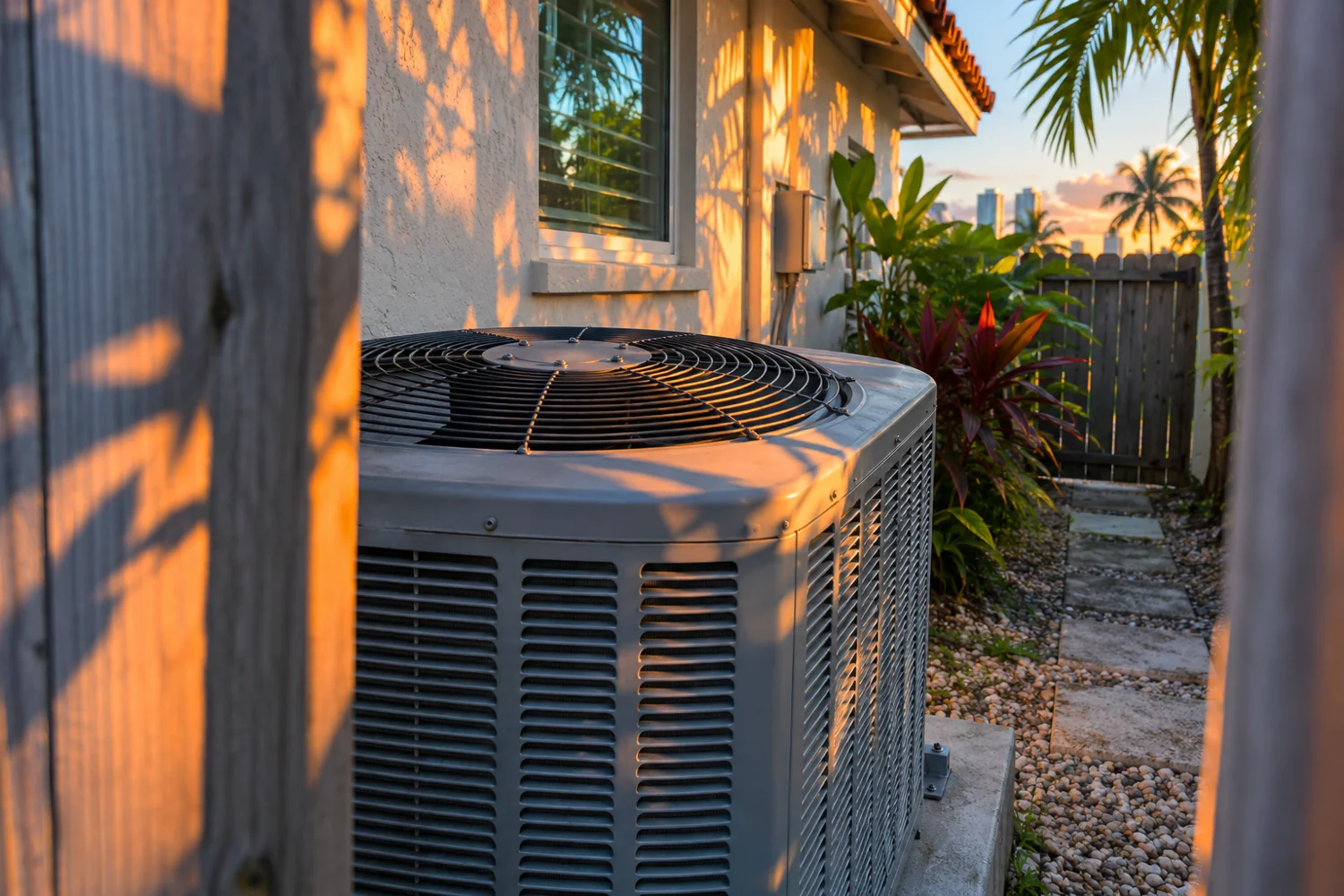
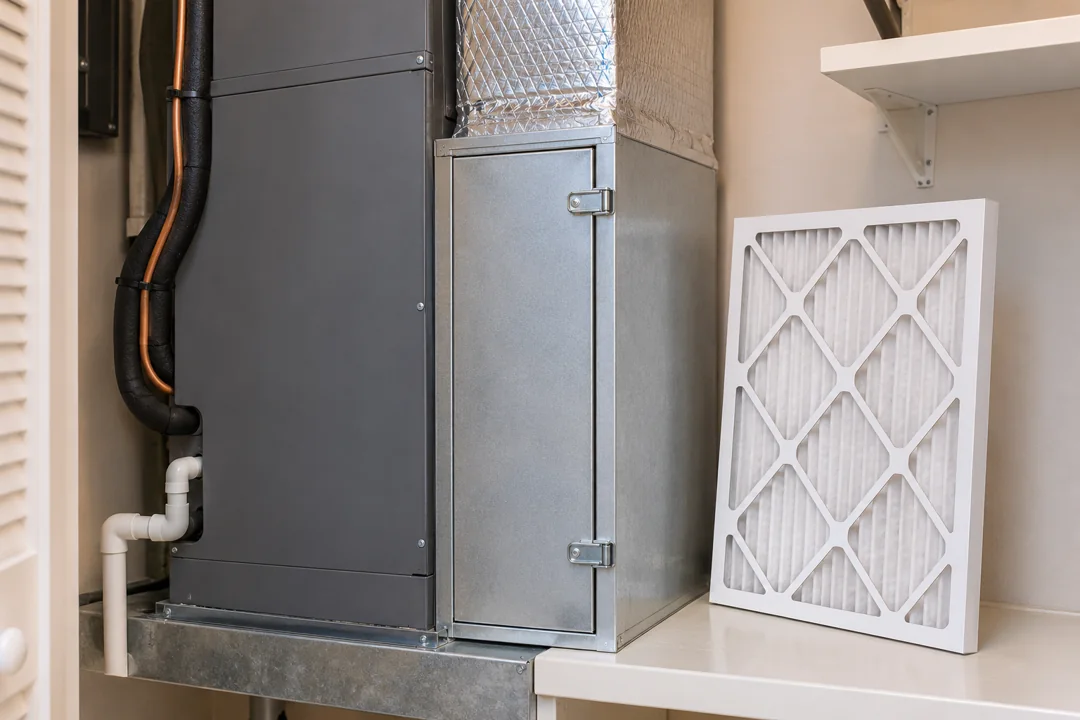
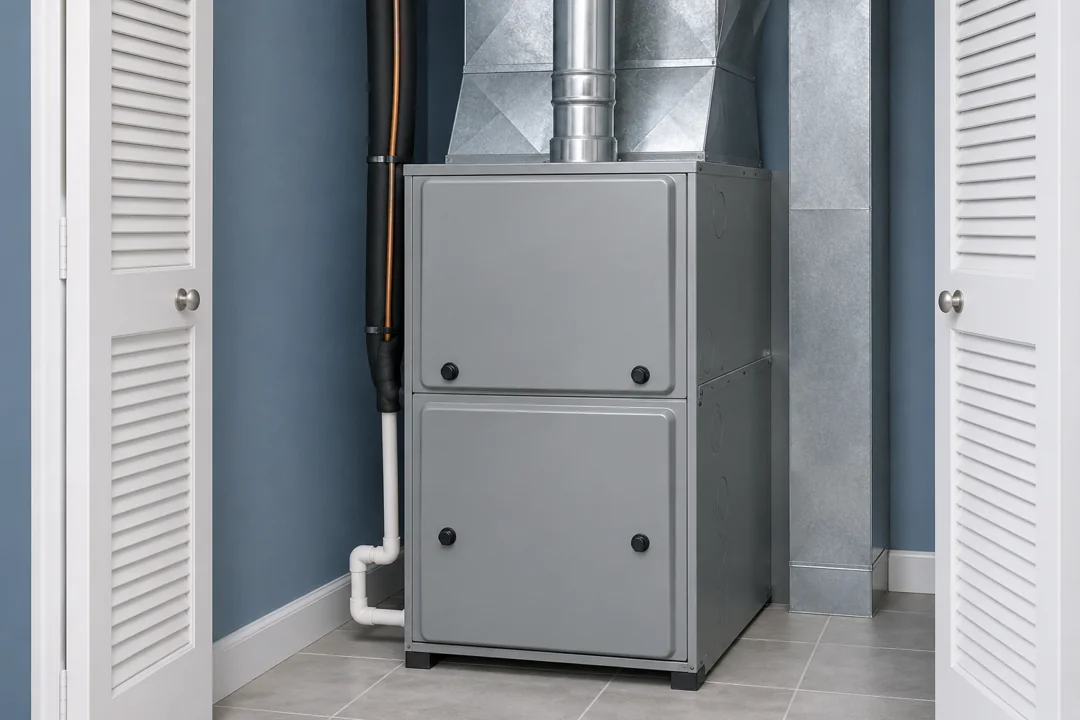
Check the equipment paperwork or an accessible label if it is safe to do so. A thermostat may control a furnace, an electric air handler, a heat pump or more than one system. Tell the team which controls you used and what the display said. If you have a photo of the model label from a normal accessible position, keep it with the maintenance records. Leave equipment covers in place.
Write down the setting and temperature that appeared when you first noticed the problem. Describe whether the system was silent, moved room-temperature air, or started and stopped before the property warmed. Explain if the cooling function still worked recently and whether there was a change in control settings or building power. Note the time of day on days when the problem repeats.
Tell the team where heating changes show up
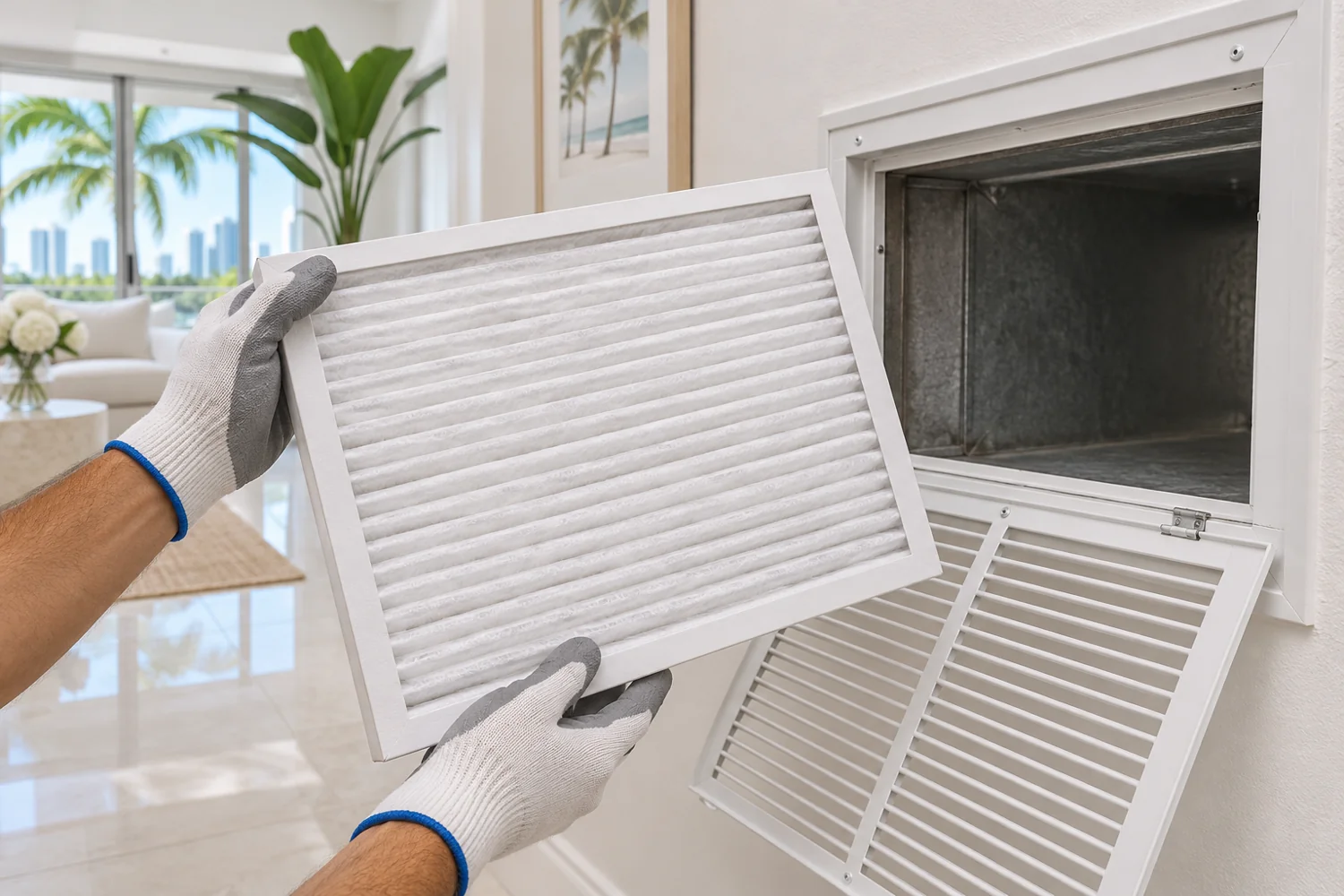
Compare rooms that share the thermostat if you can do so safely. If the whole property stays cool, make that clear. If a back room or suite warm-up is different, identify the rooms and when you noticed the difference. Mention furniture that was moved near a grille, a filter change, or a recent service visit only when it helps establish the timeline.
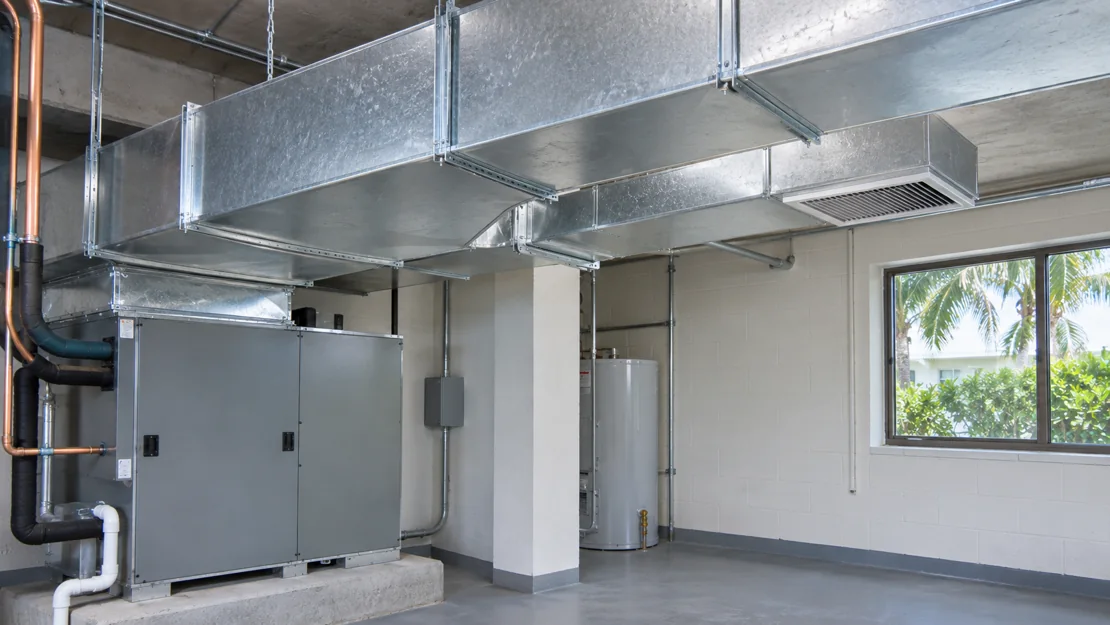
Have the property ZIP code and equipment location ready. A heating unit can be behind a shared closet door or in an area managed by a building representative. Confirm who can open it and how to reach them. If the building uses different entrances for residents and service visitors, share the correct one and any rules for arranging access.
Ask how the finding will be verified
A scope should identify the equipment evaluated and the symptom each proposed item addresses. Ask which findings can be explained after the first visit and whether the unit needs to operate under specific conditions during the assessment. If the issue comes and goes, share a dated example with the thermostat reading and the sound or air movement you observed.
Before approving work, ask about the parts, any follow-up checks and the part of the system each task covers. Keep the service date and contact details with anyone who can approve further work. The Services directory can help you choose the matching page when heating and cooling symptoms occur at different times.
Share the thermostat behavior before and after the heat call
Write down when you first used the heating mode and how the display behaved. A system that starts after the setting changes gives different information from one that remains silent through the entire call. Listen from an ordinary occupied area and record whether any air was moving. Leave access panels and equipment covers closed.
Share any earlier heating service dates or notes with the provider when you call. If the building uses a shared mechanical area, ask who can identify the equipment that serves your rooms and whether another person must be present during the assessment.